

The easiest summer flowers to grow are marigolds, zinnias, sunflowers, portulaca and cosmos. They love full sun, handle heat well and bloom for months with little fuss. If you want color from late spring until the first cool nights, start with those five.
Below you will find 11 reliable choices with sun, water, soil, bloom time and height for each. You will also find hot weather care tips, ideas for pots and vases, and the mistakes that cause most summer flower problems.
Quick-pick table
| Flower | Sun | Water | Difficulty | Best for |
|---|---|---|---|---|
| Marigold | Full sun | Moderate | Easy | Borders, pots, vegetable beds |
| Zinnia | Full sun | Moderate | Easy | Cut flowers, beds |
| Sunflower | Full sun | Moderate to deep | Easy | Tall backdrops, cutting |
| Petunia | Full sun | Regular | Easy to medium | Hanging baskets, balconies |
| Portulaca | Full sun | Low | Very easy | Hot, dry pots and edges |
| Cosmos | Full sun | Low to moderate | Easy | Cottage-style beds, cutting |
| Vinca | Sun to part shade | Low to moderate | Easy | Heat and humidity |
| Lantana | Full sun | Low once settled | Easy | Pollinator gardens, pots |
| Gaillardia | Full sun | Low | Easy | Dry, poor soil |
| Celosia | Full sun | Moderate | Medium | Bold color, dried arrangements |
| Gomphrena | Full sun | Low to moderate | Easy | Cutting and drying |
11 best summer flowers to grow
Every flower here is an annual or a short-lived perennial that performs in warm weather. Exact heights and bloom times shift with variety and climate, so treat the numbers as a guide.
1. Marigold
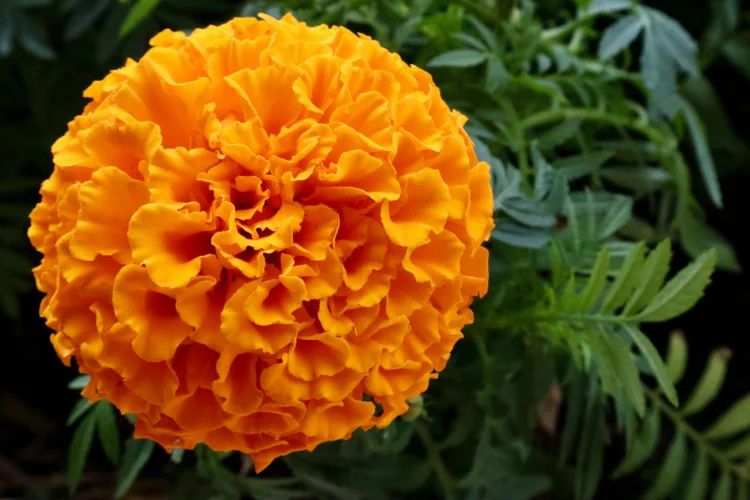
Marigolds are among the most forgiving summer blooming flowers you can plant. French types stay compact, while African types grow taller with big pom-pom blooms. Both flower steadily until cool weather.
- Sun: Full sun
- Water: Moderate; let the top inch of soil dry between waterings
- Soil: Average, well-drained
- Blooms: Early summer to frost
- Height: About 6 to 12 inches (French), up to 3 feet (African)
- Mistake to avoid: Overhead watering late in the day, which invites mildew and rot on dense blooms
- Pets: Can irritate the mouth and stomach of cats and dogs if eaten
2. Zinnia
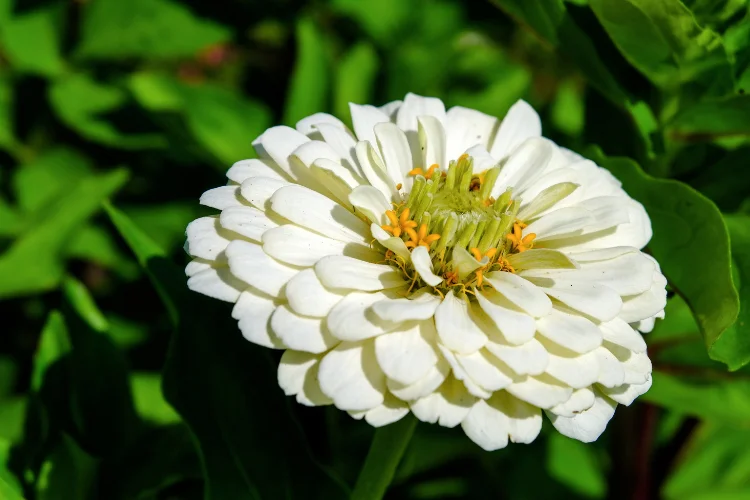
Zinnias grow fast from seed and reward you with bright, long-lasting blooms. The more you cut them, the more they flower, which makes them ideal for vases. They enjoy heat, though they dislike wet leaves.
- Sun: Full sun
- Water: Moderate, at the base of the plant
- Soil: Rich, well-drained
- Blooms: About 2 months after sowing, then through summer
- Height: 1 to 4 feet, depending on variety
- Mistake to avoid: Crowding plants, which leads to powdery mildew
- Pets: Generally listed as non-toxic
3. Sunflower
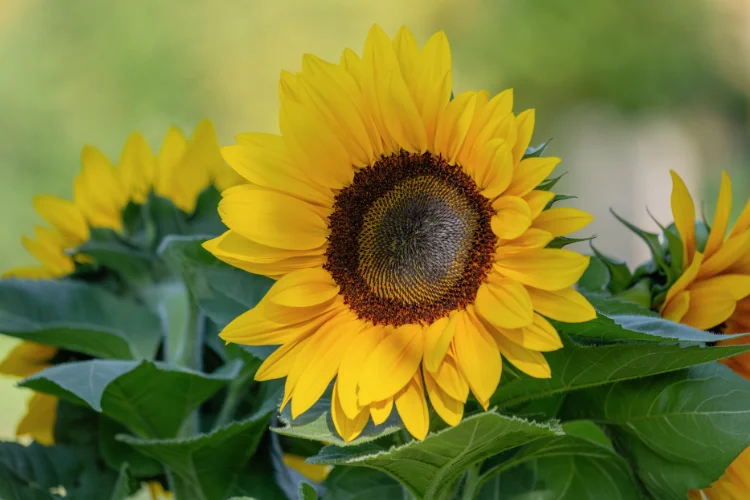
Sunflowers are the cheerful giants of the summer garden. Dwarf varieties suit large pots, while tall ones make a living fence. Birds love the seeds in autumn.
- Sun: Full sun, at least 6 hours
- Water: Deep watering once or twice a week; more in extreme heat
- Soil: Any well-drained soil
- Blooms: Mid to late summer
- Height: 2 feet (dwarf) to 10 feet or more
- Mistake to avoid: Planting tall types in windy spots without support
- Pets: Generally listed as non-toxic
4. Petunia
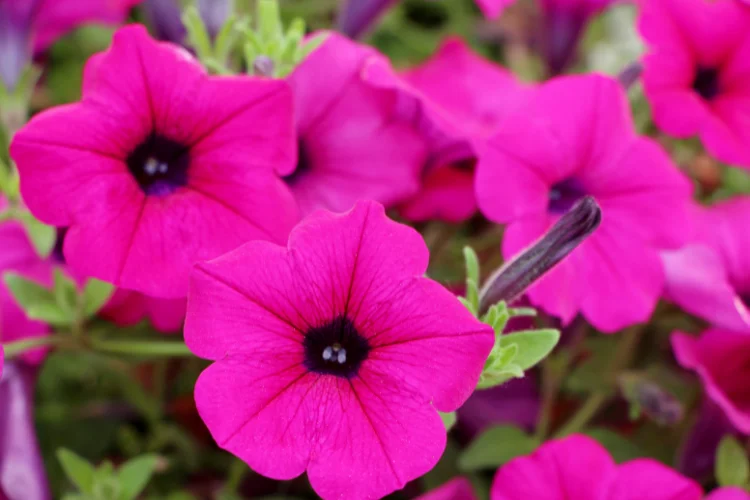
Petunias are a classic choice for summer flowers for pots, especially in hanging baskets. Trailing and spreading types fill containers quickly and flower in nearly every color. In very hot climates they may slow down mid-summer, then recover when nights cool.
- Sun: Full sun; light afternoon shade in extreme heat
- Water: Regular; containers may need daily watering in heat
- Soil: Light, well-drained potting mix
- Blooms: Spring through autumn
- Height: 6 to 12 inches, spreading wider
- Mistake to avoid: Skipping feeding, which causes pale, sparse flowers
- Pets: Generally listed as non-toxic
5. Portulaca (moss rose)
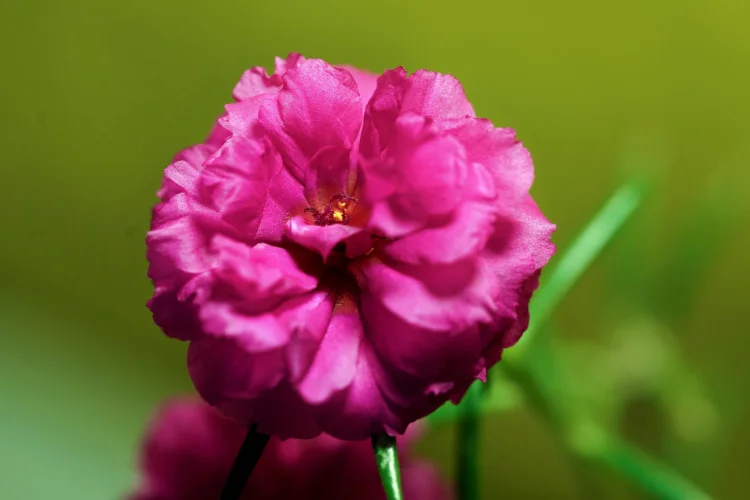
If you forget to water, portulaca will forgive you. Its succulent leaves store moisture, and its small flowers open in strong sun. It is one of the most heat tolerant flowers for hot balconies.
- Sun: Full, hot sun
- Water: Low; water only when the soil is dry
- Soil: Sandy, fast-draining
- Blooms: Summer to early autumn
- Height: 4 to 8 inches
- Mistake to avoid: Overwatering, which rots the stems quickly
- Pets: Some portulaca species are listed as toxic to pets, so check your exact type before planting where animals roam
6. Cosmos
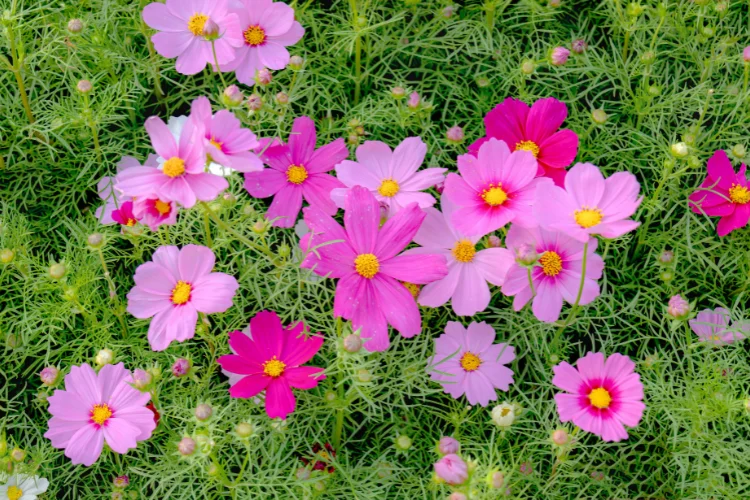
Cosmos brings airy, daisy-like flowers on feathery stems. It thrives on neglect, and rich soil or heavy feeding only produces leaves instead of blooms. Pollinators visit it constantly.
- Sun: Full sun
- Water: Low to moderate once established
- Soil: Average to poor, well-drained
- Blooms: Early summer to frost
- Height: 2 to 4 feet
- Mistake to avoid: Over-fertilizing
- Pets: Generally listed as non-toxic
7. Vinca (Madagascar periwinkle)
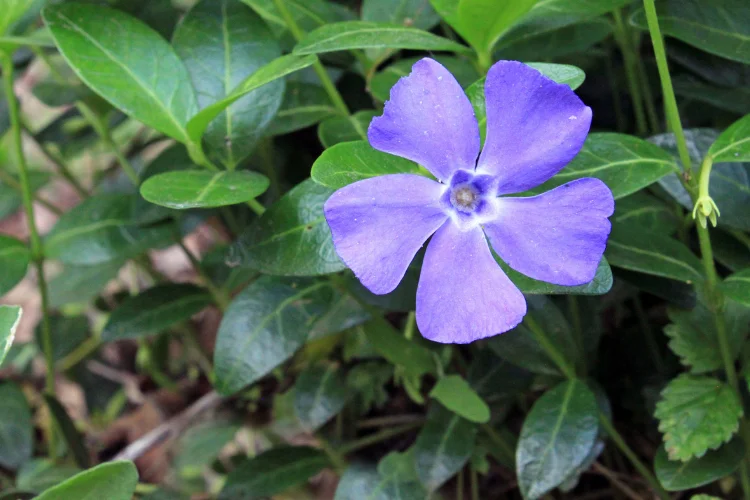
Vinca handles hot, humid weather better than many flowers. Its glossy leaves stay neat, and the blooms keep coming without deadheading. It sulks in cold, wet soil, so wait until the weather is properly warm.
- Sun: Full sun to part shade
- Water: Low to moderate; let soil dry between waterings
- Soil: Well-drained
- Blooms: Summer to frost
- Height: 8 to 24 inches
- Mistake to avoid: Planting too early in cool, damp soil
- Pets: Toxic if eaten, so keep it out of reach of cats, dogs and children
8. Lantana
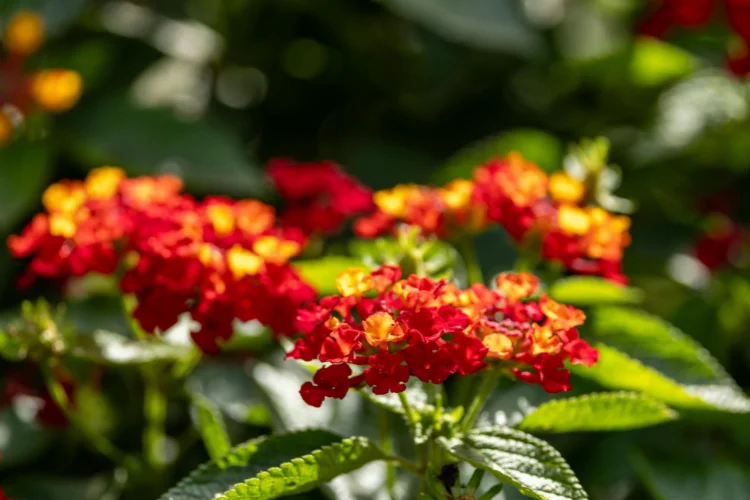
Lantana produces clusters of multi-colored flowers that butterflies adore. In warm climates it returns year after year, and in cooler ones it is grown as an annual. Once settled, it needs little water.
- Sun: Full sun
- Water: Low once established
- Soil: Well-drained, tolerates poor soil
- Blooms: Late spring to frost
- Height: 1 to 4 feet, depending on variety
- Mistake to avoid: Watering too often, which means more leaves and fewer flowers
- Pets: Toxic to cats, dogs and livestock, especially the green berries
9. Gaillardia (blanket flower)
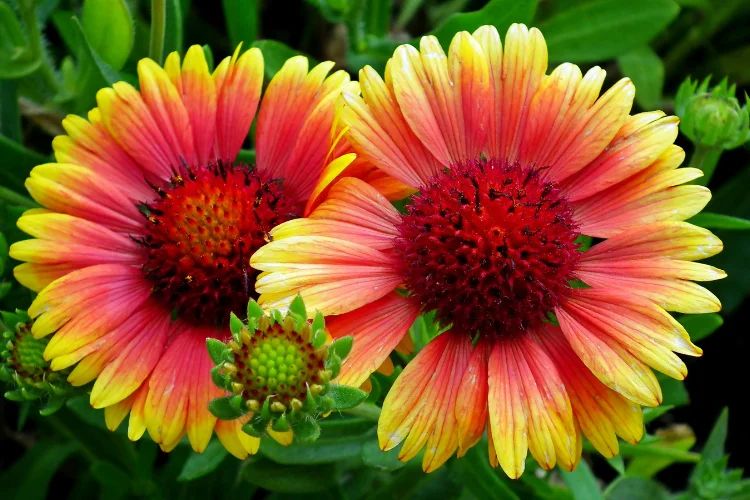
Gaillardia carries red, orange and yellow blooms that glow in strong light. It handles drought, poor soil and heat with ease. Short-lived in some climates, it often self-seeds.
- Sun: Full sun
- Water: Low
- Soil: Lean, well-drained
- Blooms: Early summer to autumn
- Height: 1 to 3 feet
- Mistake to avoid: Planting in heavy, soggy soil
- Pets: Generally listed as non-toxic, but confirm for your variety
10. Celosia
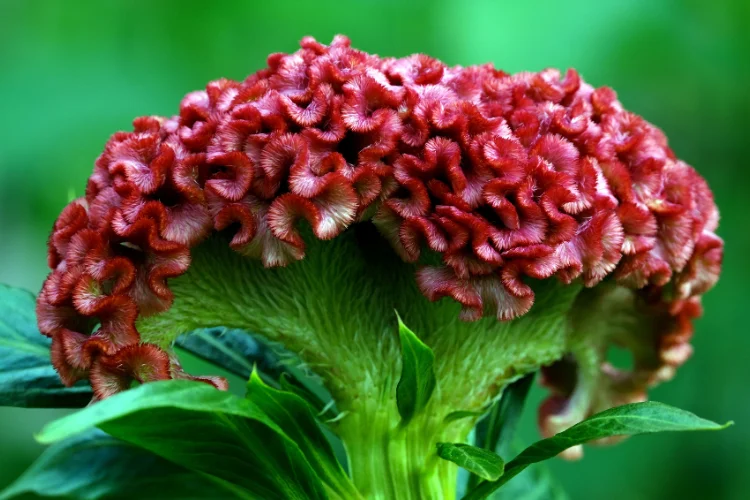
Celosia offers feathery plumes or wavy, brain-like crests in vivid shades. It loves warmth and fails in cold soil. The blooms also dry beautifully for arrangements.
- Sun: Full sun
- Water: Moderate; avoid soggy soil
- Soil: Fertile, well-drained
- Blooms: Mid summer to frost
- Height: 8 inches to 3 feet
- Mistake to avoid: Setting out transplants before nights are warm
- Pets: Generally listed as non-toxic
11. Gomphrena (globe amaranth)
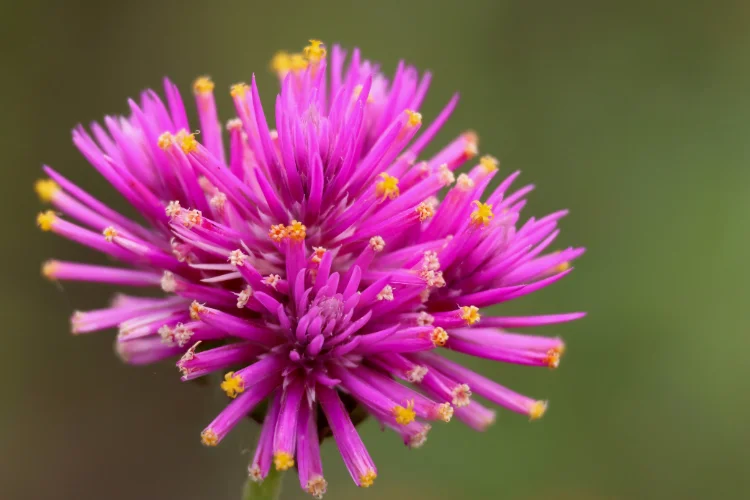
Gomphrena makes round, clover-like blooms in pink, purple and white. It stands up to heat and humidity, and the flowers keep their color when dried. Bees and butterflies visit often.
- Sun: Full sun
- Water: Low to moderate
- Soil: Well-drained
- Blooms: Summer to frost
- Height: 6 to 24 inches, with taller cutting types available
- Mistake to avoid: Sowing outdoors too early, since the seeds need warmth to sprout
- Pets: Generally listed as non-toxic
For more bloom ideas across every season, browse our flowers section.
How to care for summer flowers in hot weather
Heat is the main stress for summer plants, so small habits make a big difference. Most of the work comes down to water, timing and protection.
Watering
- Water early in the morning so roots drink before the heat peaks.
- Soak deeply a few times a week instead of sprinkling daily. Deep watering builds stronger roots.
- Aim at the soil, not the leaves, to reduce disease.
- Check pots daily in hot spells, because containers dry out far faster than ground beds.
Mulching
- Spread 2 to 3 inches of mulch around plants to hold moisture and keep roots cooler.
- Keep mulch a little away from stems to prevent rot.
Deadheading
- Remove spent flowers on petunias, zinnias, marigolds and cosmos to encourage more blooms.
- Skip it for vinca and lantana if they are tidy, since many modern types drop old flowers themselves.
Shade
- In very hot climates, a few hours of afternoon shade protects petunias and newly planted seedlings.
- Shade cloth or a spot behind taller plants can be enough.
Feeding
- Use a balanced liquid feed every 2 to 4 weeks for heavy bloomers like petunias and zinnias.
- Go lighter with cosmos, portulaca and gaillardia, which prefer lean soil.
For routines that work across your whole garden, see our care tips and our guide to garden planning and styling.
Best summer flowers for pots, balconies and vases
Your space often decides which flowers will do best. Here is how to match plants to place.
Pots and balconies
- Petunias, portulaca, marigolds and vinca stay compact and flower well in containers.
- Use pots with drainage holes and fresh potting mix, never heavy garden soil.
- Pick lighter-colored pots on a hot balcony, since dark ones heat the roots.
- Group plants with similar water needs so care stays simple.
Cutting and vases
- Zinnias, cosmos, sunflowers, celosia and gomphrena all cut well.
- Harvest in the cool morning and place stems straight into water.
- Strip leaves below the waterline and change the water every two days.
- Lilies are popular in summer bouquets, but they are highly toxic to cats, so avoid them in homes with cats.
Indoor displays
- A vase of summer blooms pairs nicely with the greenery in our houseplant guides.
- Keep cut flowers away from direct sun and fruit bowls, which shorten vase life.
Common mistakes to avoid
- Overwatering heat lovers. Portulaca, gaillardia and lantana prefer drying out between drinks.
- Planting too early. Many summer flowers stall or rot in cold, wet soil. Wait until nights stay warm.
- Skipping drainage. Pots without holes trap water and kill roots.
- Too little sun. Most flowers on this list need 6 or more hours of direct light to bloom well.
- Over-feeding lean-soil plants. Cosmos and gaillardia give leaves instead of flowers when fed too richly.
- Ignoring pet safety. Check each plant before placing it where cats or dogs roam.
- Crowding plants. Poor airflow encourages mildew, especially on zinnias.
Frequently Ask Questions
Marigolds, zinnias, sunflowers, cosmos and portulaca are the simplest. They grow well from seed, tolerate heat and need little attention beyond regular watering.
Portulaca, lantana, vinca, gaillardia and gomphrena cope with intense sun and dry spells. Even these appreciate water during prolonged heat waves, especially in pots.
Petunias, portulaca, marigolds and vinca suit containers well. Choose a pot with drainage and water more often than you would for plants in the ground.
It depends on the plant, soil and weather. A good rule is to water deeply when the top inch or so of soil feels dry, and check containers daily in hot weather.
Yes. Lantana and vinca are toxic, marigolds can cause mild irritation, and some portulaca species are listed as harmful. Always verify a plant before growing it near cats or dogs.
Conclusion
Good summer color does not need a complicated plan. Pick two or three flowers from the list that fit your sun and space, plant them once nights are warm, and water deeply in the morning.
Your next step: choose one easy flower today, such as zinnia or marigold, and sow a small pot or garden corner this week.
