

The best spring flowers for most home gardeners are tulips, daffodils, hyacinths, crocuses, peonies and sweet peas. Spring bulbs go into the ground in autumn, while sweet peas and ranunculus are often planted in late winter or early spring. Most of these flowers like sun, well-drained soil and steady moisture that never turns soggy. Bloom times shift with your climate and the variety you choose, so treat the dates below as a guide, not a promise. Cool climates offer the widest choice, but warm climates can enjoy many of these flowers with a little extra planning.
Flowers That Bloom in Spring
| Flower | Sun | Water | When to plant | Difficulty | Best for |
|---|---|---|---|---|---|
| Tulip | Full sun | Moderate | Autumn | Easy | Beds, pots, vases |
| Daffodil | Sun to part shade | Moderate | Autumn | Very easy | Beds, naturalizing |
| Hyacinth | Sun to part shade | Moderate | Autumn | Easy | Pots, fragrance |
| Crocus | Full sun | Light | Autumn | Very easy | Lawns, borders |
| Ranunculus | Full sun | Moderate | Late winter or autumn (mild climates) | Medium | Vases, pots |
| Bearded iris | Full sun | Light | Late summer to early autumn | Easy | Beds, borders |
| Peony | Full sun | Moderate | Autumn | Medium | Beds, vases |
| Sweet pea | Full sun | Regular | Autumn or early spring | Medium | Trellises, vases |
| Bleeding heart | Part shade | Regular | Early spring or autumn | Medium | Shade beds |
| Forget-me-not | Part shade | Regular | Late summer to autumn, or spring | Very easy | Edging, pots |
| Lilac | Full sun | Light once settled | Early spring or autumn | Easy | Large gardens |
11 Spring Blooming Flowers to Grow
Tulip
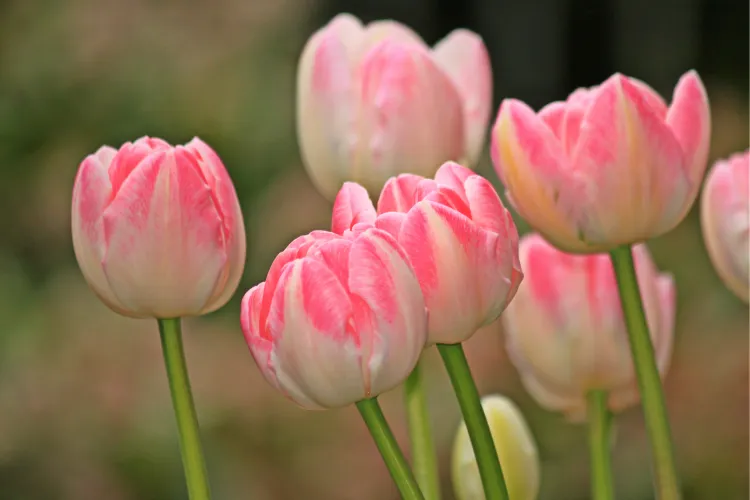
Tulips are the classic spring flower, with cup-shaped blooms in nearly every color. Early, mid and late varieties let you stretch the display over several weeks. In warm climates, buy pre-chilled bulbs or chill them in the refrigerator for 6 to 8 weeks (away from ripening fruit), and expect them to act as annuals.
- Sun and height: Full sun, 15 to 60 cm (6 to 24 in)
- Water and soil: Moderate water, very well-drained soil
- Plant: Bulbs in autumn, about 15 cm (6 in) deep
- Bloom: Early to late spring
- Avoid: Wet soil, which rots the bulbs
- Pets: Toxic to cats and dogs, especially the bulbs
Daffodil
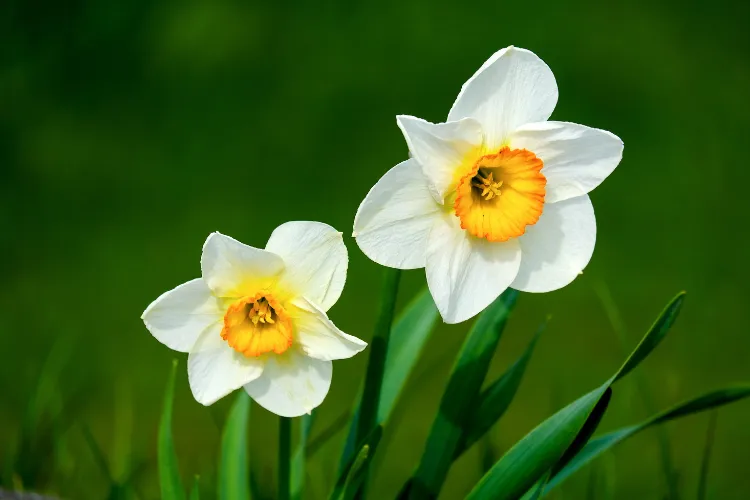
Daffodils are among the easiest spring bulbs because rodents and deer tend to leave them alone. They often return and multiply year after year in cool climates. They need some winter chill, so results can be weaker in very warm regions.
- Sun and height: Full sun to part shade, 15 to 50 cm (6 to 20 in)
- Water and soil: Moderate water, well-drained soil
- Plant: Bulbs in autumn, about 15 cm (6 in) deep
- Bloom: Early to mid spring
- Avoid: Cutting the leaves back early, which starves next year’s flowers. Wait until they yellow.
- Pets: Toxic to cats and dogs
Hyacinth
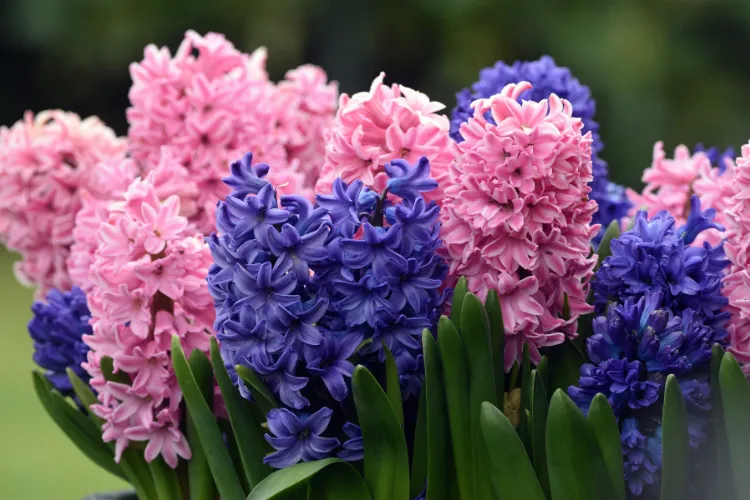
Hyacinths bring dense, fragrant flower spikes in pink, purple, white and blue. They suit pots near a door or patio where you can enjoy the scent. Wear gloves when handling the bulbs, because they can irritate skin.
- Sun and height: Full sun to part shade, 20 to 30 cm (8 to 12 in)
- Water and soil: Moderate water, gritty well-drained soil
- Plant: Bulbs in autumn, about 10 to 15 cm (4 to 6 in) deep
- Bloom: Early to mid spring
- Avoid: Overwatering potted bulbs
- Pets: Toxic to cats and dogs
Crocus
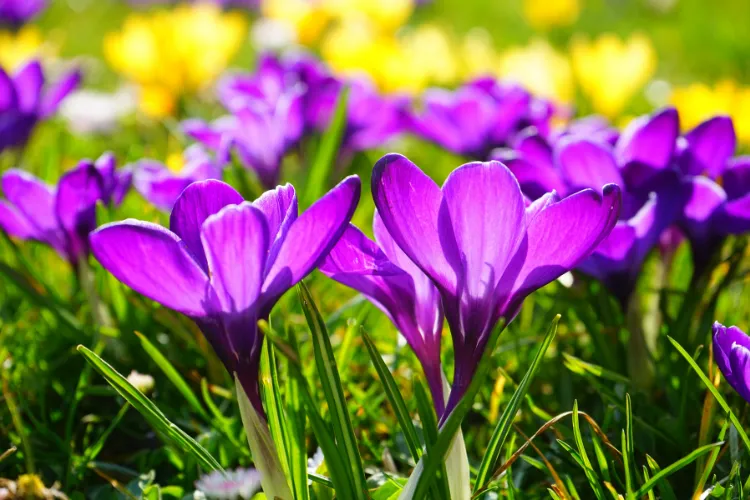
Crocuses are often the first color of the year, sometimes pushing through late snow. Plant them in drifts of 20 or more for the best effect. They look lovely under trees and along path edges.
- Sun and height: Full sun, 8 to 12 cm (3 to 5 in)
- Water and soil: Light water, well-drained soil
- Plant: Corms in autumn, about 8 cm (3 in) deep
- Bloom: Late winter to early spring
- Avoid: Mowing lawn areas before the leaves fade
- Pets: Spring crocus is mildly toxic. Autumn crocus (Colchicum) is a different plant and far more dangerous.
Ranunculus
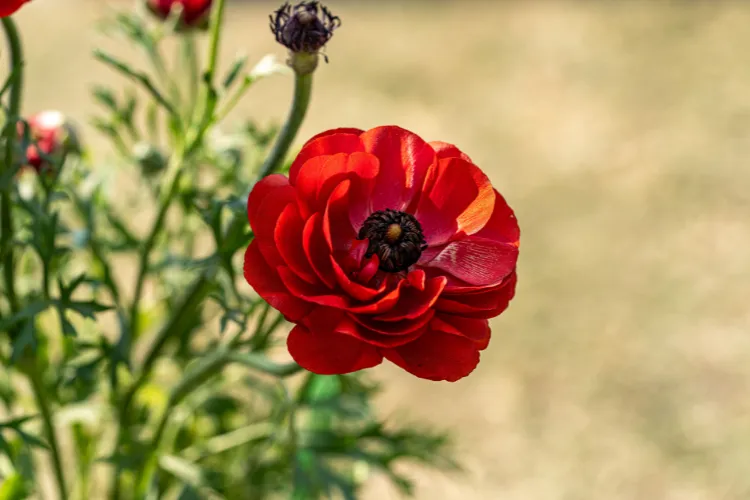
Ranunculus has layered, rose-like blooms in warm, bright colors. It is a favorite for vases and containers. In cold climates, plant the corms in late winter or early spring once the hardest frosts pass. In mild-winter areas, autumn planting often gives earlier flowers.
- Sun and height: Full sun, 30 to 45 cm (12 to 18 in)
- Water and soil: Moderate water, loose well-drained soil
- Plant: Corms with the claw-like fingers pointing down, about 5 cm (2 in) deep
- Bloom: Mid to late spring
- Avoid: Soggy soil, which rots the corms
- Pets: Can irritate the mouth and stomach if eaten
Bearded Iris
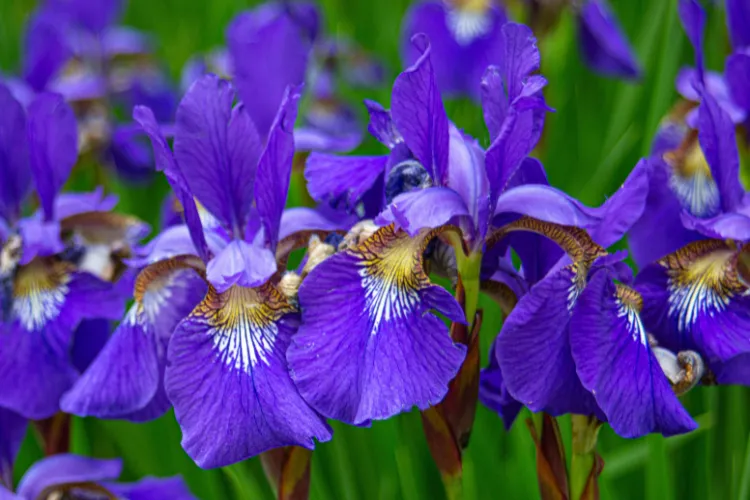
Iris grows from rhizomes, which are thick, knobby roots that sit near the soil surface. The flowers are ruffled and available in almost every color. Clumps spread slowly and can be divided every few years.
- Sun and height: Full sun, 30 to 90 cm (12 to 36 in)
- Water and soil: Light water once established, sharply drained soil
- Plant: Late summer to early autumn, with the top of the rhizome showing
- Bloom: Late spring
- Avoid: Burying the rhizome, which leads to rot and few flowers
- Pets: Mildly toxic if chewed
Peony
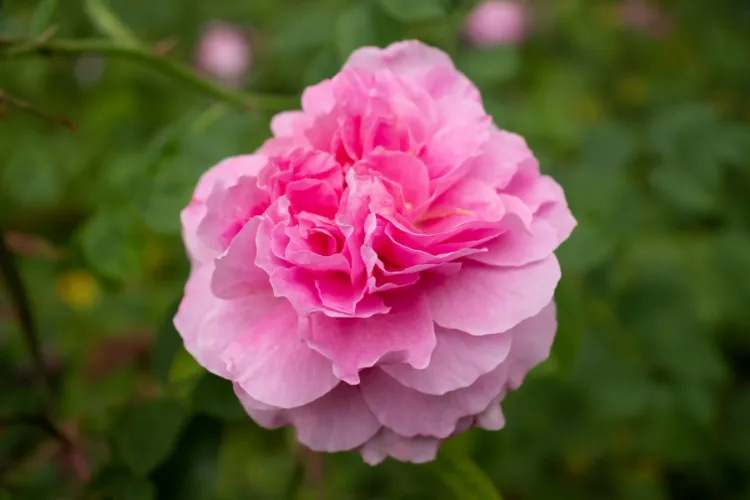
Peonies are long-lived perennials with big, fragrant blooms that can last for decades. They need cold winters to flower well, so they struggle in hot, mild-winter regions. Patience matters here, because new plants may take a few seasons to bloom heavily.
- Sun and height: Full sun, 60 to 90 cm (24 to 36 in)
- Water and soil: Moderate water, rich well-drained soil
- Plant: Bare roots in autumn, with the pink growth buds 2.5 to 5 cm (1 to 2 in) below the surface
- Bloom: Late spring to early summer
- Avoid: Planting too deep, the most common reason peonies do not bloom
- Pets: Mildly toxic to cats and dogs
Sweet Pea
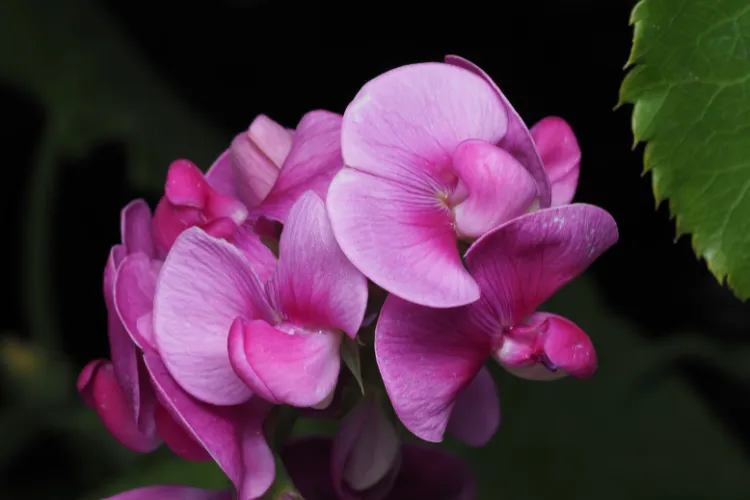
Sweet peas are scented climbers that produce more flowers the more you pick them. They love cool weather and fade when summer heat arrives. Give them a trellis, netting or a few tall canes.
- Sun and height: Full sun, climbing 1.5 to 2 m (5 to 6 ft)
- Water and soil: Regular water, rich soil with plenty of compost
- Plant: Seeds in autumn in mild climates, or late winter to early spring in cold ones
- Bloom: Mid spring to early summer
- Avoid: Letting seed pods form, which tells the plant to stop flowering
- Pets: The seeds and pods are toxic if eaten
Bleeding Heart
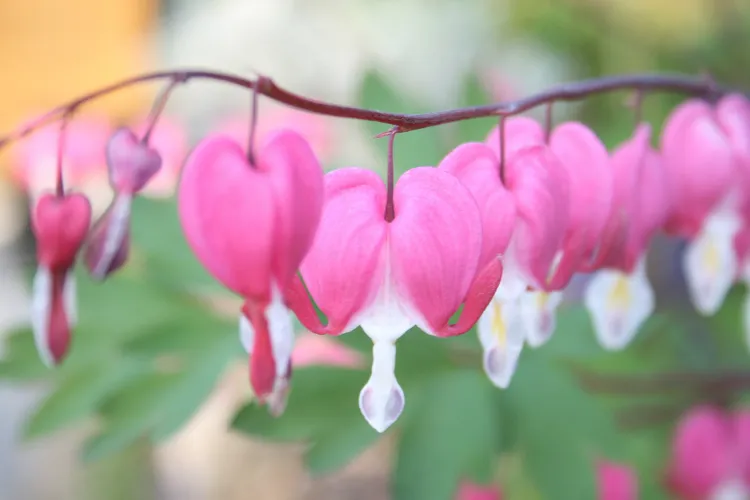
Bleeding heart has arching stems hung with pink and white heart-shaped flowers. It is one of the few showy spring flowers that thrives in shade. The foliage often fades in summer heat, which is normal.
- Sun and height: Part shade to shade, 45 to 90 cm (18 to 36 in)
- Water and soil: Regular water, moist humus-rich soil
- Plant: Early spring or autumn
- Bloom: Mid to late spring
- Avoid: Hot, dry, sunny spots
- Pets: Toxic to cats and dogs
Forget-Me-Not
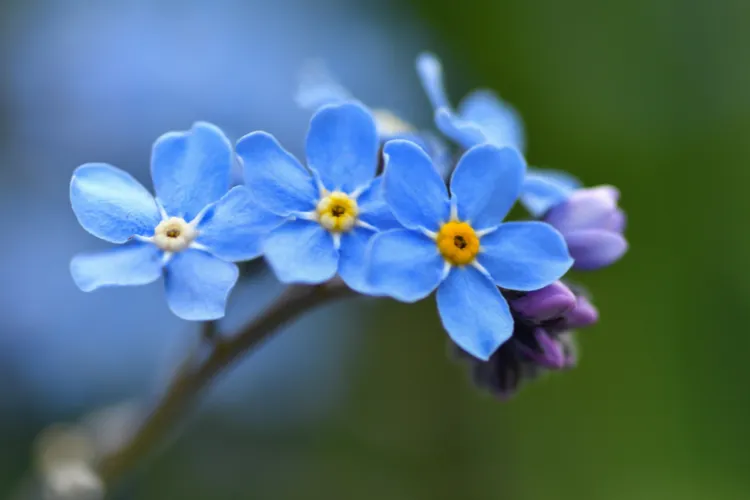
Forget-me-nots form a cloud of tiny blue flowers that suits borders, pots and the foot of taller bulbs. They self-seed freely, so one planting can return for years. Their soft look pairs well with tulips and daffodils.
- Sun and height: Part shade to sun, 15 to 30 cm (6 to 12 in)
- Water and soil: Regular water, average soil
- Plant: Sow seed in late summer to autumn, or in spring
- Bloom: Early to late spring
- Avoid: Pulling every plant after flowering, which stops the seeds from dropping
- Pets: Generally listed as low risk, though any plant can upset a pet’s stomach
Lilac
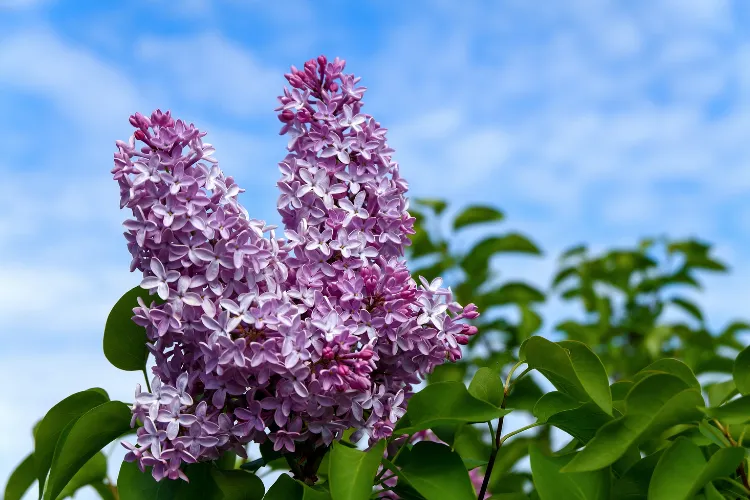
Lilac is a woody shrub, so it suits larger gardens. The scented flower clusters appear in mid to late spring. In warm climates, look for low-chill varieties bred for mild winters.
- Sun and height: Full sun, 2 to 4 m (6 to 13 ft) for common lilac
- Water and soil: Light water once established, well-drained soil
- Plant: Early spring or autumn
- Bloom: Mid to late spring
- Avoid: Pruning in autumn or winter, which removes next year’s flower buds. Prune right after blooming.
- Pets: Generally considered non-toxic
How to Care for Spring Flowers
Planting Time
Timing is the biggest difference between spring flowers. Spring bulbs such as tulips, daffodils, hyacinths and crocuses are planted in autumn, once the soil cools but before it freezes. Flowers like sweet peas, ranunculus and forget-me-nots can be planted in late winter or spring, or in autumn in mild climates.
If you are out in the garden in autumn anyway, our winter flowers list has hardy options for the cold months.
In warm climates, many bulbs need artificial chilling before planting. Plant them in late autumn or early winter, once the soil has cooled.
Watering
Water new plantings well, then keep the soil lightly moist while shoots are growing. A rough rule is about 2.5 cm (1 in) of water per week, including rain. Reduce watering once the foliage yellows, because dormant bulbs prefer drier soil.
Feeding
A balanced fertilizer applied when shoots appear gives most spring flowers a good start. Feed again lightly after flowering to help bulbs store energy. Too much nitrogen creates leafy growth at the expense of blooms.
Protecting From Late Frost
Most spring bulbs tolerate light frost, but open flowers and fresh growth can be damaged. If a hard freeze is forecast, cover plants overnight with garden fleece or an old sheet and remove it in the morning. Move pots to a sheltered spot, such as against a house wall or inside a garage.
Deadheading
Snip off spent flowers so the plant puts energy into the bulb or roots, not into seed. Leave the leaves in place until they turn yellow, since they feed next year’s bloom. Forget-me-nots and sweet peas are exceptions, where you may want some seed pods for self-sowing or the next season.
Once spring fades, see our guide to summer flowers to keep your garden colorful.
Best Spring Flowers for Pots, Balconies and Vases
For Pots and Balconies
Tulips, daffodils, hyacinths, ranunculus, forget-me-nots and pansies all do well in containers. Choose a pot at least 25 to 30 cm (10 to 12 in) wide with drainage holes, and fill it with quality potting mix. For a longer display, layer bulbs at different depths, with late bloomers deepest and early bloomers closer to the surface.
Balconies can be windy, so pick shorter varieties and keep pots near a wall. In cold climates, protect potted bulbs from deep freezing, since roots in pots are more exposed than in the ground.
For Vases
Tulips, ranunculus, sweet peas, peonies, lilacs and hyacinths all make lovely cut flowers. Cut peonies when the buds feel soft, like a marshmallow. Condition daffodils in their own water for a day first, since their sap can shorten the life of other flowers in the same vase.
Pet Safety Note
Many spring flowers are harmful to cats and dogs. Tulips, daffodils, hyacinths, azaleas and lily of the valley are among the toxic ones, and true lilies are especially dangerous to cats. If pets share your space, keep bulbs out of reach and choose pet-safe plants where you can. Contact a vet quickly if you suspect a pet has eaten any of these.
Common Mistakes to Avoid
- Planting bulbs too late or too shallow. Roots need time to establish, and shallow bulbs can heave out of the soil.
- Choosing the wrong spot. Most spring flowers want sun, while bleeding hearts and forget-me-nots appreciate shade.
- Overwatering in pots. Constantly wet soil rots bulbs and corms.
- Trimming foliage too soon. Let the leaves fade naturally.
- Ignoring local climate. Bulbs that need winter chill may fail in warm regions without pre-chilling.
- Overcrowding. Bulbs planted too tightly compete for water and food.
- Forgetting about pets. Check toxicity before planting where animals roam.
Frequently Asked Questions
Daffodils, crocuses, tulips, forget-me-nots and pansies are good starting points. They tolerate a range of soils and need little care once planted.
Plant them in autumn, once the soil has cooled but before the ground freezes. In warm climates, chill bulbs first and plant in late autumn or early winter.
Yes. Tulips, daffodils, hyacinths, ranunculus and forget-me-nots all suit containers, as long as the pot has drainage holes and the soil never stays soggy.
Daffodils, crocuses, peonies, irises, bleeding hearts and lilacs generally return. Tulips often fade after a year or two, while sweet peas and ranunculus are usually treated as annuals.
Tulips, daffodils, hyacinths, azaleas, lily of the valley, bleeding hearts and sweet pea seeds can all harm cats and dogs. True lilies are especially dangerous to cats.
Conclusion
Spring flowers reward a little planning more than a lot of effort. Pick two or three from this list that suit your light and space, then check your local frost dates before you buy. If it is autumn where you live, bulbs are the perfect first step. For more ideas, visit FloraHomely and keep your garden growing through every season.
