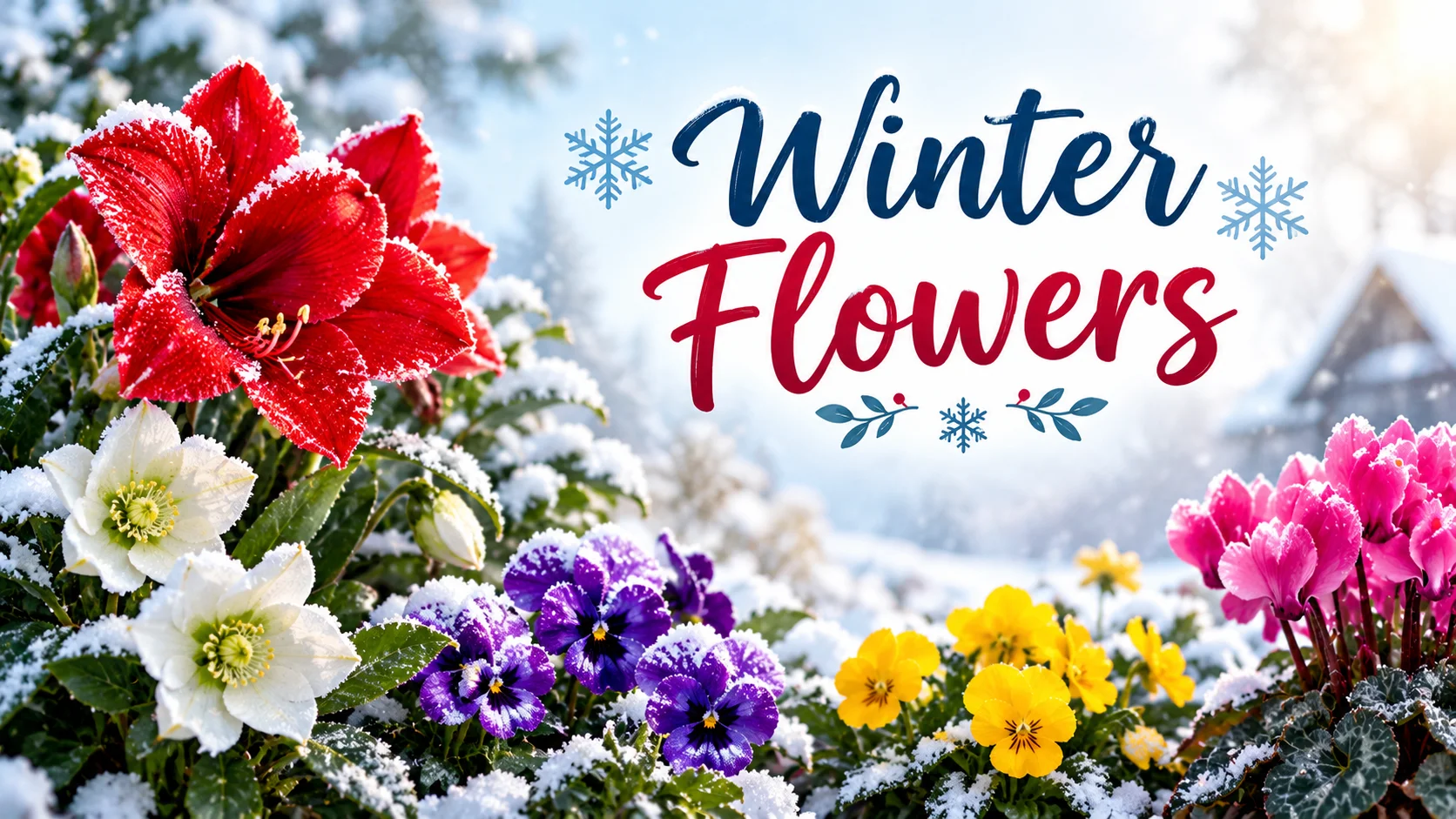

Pansies, violas, primroses, hellebores and camellias are some of the best winter flowers for most gardens. Cyclamen, amaryllis and paperwhites bring winter color indoors. In cold climates, hardy plants such as hellebores and winter jasmine bloom through frost, while tender ones stay inside. Where winters are mild, winter is a prime flowering season for snapdragons, calendula and dianthus.
Your results will depend on your local lows and the exact variety, so check the plant tag. Below you will find 12 reliable choices, a quick-pick table and simple care steps.
Winter Flowers at a Glance
| Flower | Sun | Water | Cold tolerance | Difficulty | Best for |
|---|---|---|---|---|---|
| Pansy | Full to part sun | Moderate | Light to moderate frost | Easy | Pots, borders |
| Viola | Full to part sun | Moderate | Hardier than pansy | Easy | Pots, edging |
| Cyclamen (florist’s) | Bright, indirect | Moderate, from below | Frost tender | Medium | Indoors, sheltered porches |
| Camellia | Part shade | Even moisture | Hardy in many climates | Medium | Large pots, shrub borders |
| Hellebore | Part shade | Low to moderate | Very hardy | Easy | Shady beds |
| Snapdragon | Full sun | Moderate | Light frost | Easy | Beds, cutting |
| Primrose | Part shade | Even moisture | Hardy (garden types) | Easy | Pots, front of border |
| Calendula | Full sun | Low to moderate | Light frost | Easy | Beds, vases |
| Dianthus | Full sun | Low to moderate | Hardy to frost tolerant | Easy | Pots, edging |
| Winter jasmine | Full to part sun | Low once settled | Very hardy | Easy | Walls, fences |
| Amaryllis | Bright light | Low to moderate | Frost tender | Easy | Indoors, gifts |
| Paperwhite narcissus | Bright light | Moderate | Frost tender | Easy | Indoors, scent |
12 Best Winter Flowers
1. Pansy
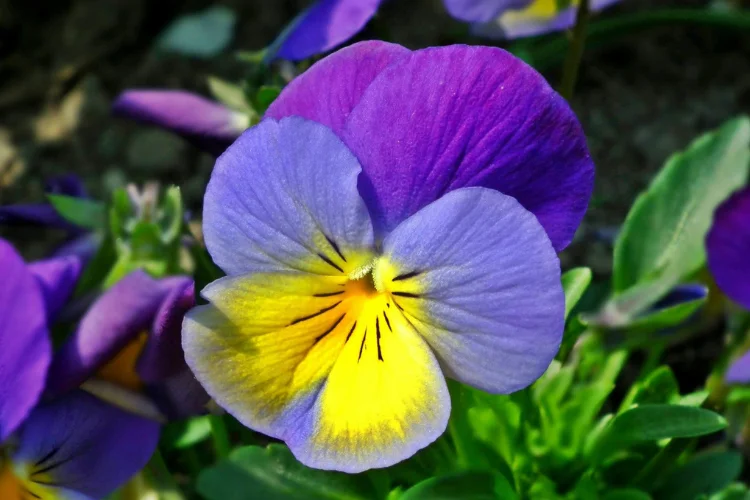
Pansies are the classic cool-season flower. They bloom in autumn, pause during hard freezes, then flower again as temperatures lift. Pinch off spent blooms and they keep going for months.
- Sun: Full sun to part shade
- Water: Keep evenly moist, never soggy
- Soil: Rich, well-drained
- Blooms: Autumn to spring in mild areas
- Height: About 15 to 23 cm (6 to 9 in)
- Cold: Handles light to moderate frost
- Avoid: Letting plants sit in wet soil, which invites root rot
2. Viola
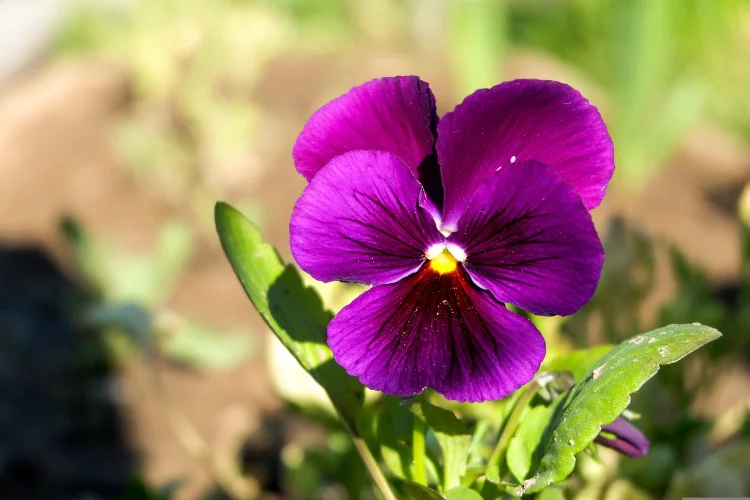
Violas are the smaller, tougher cousins of pansies. Their flowers are tinier but more numerous, and they usually shrug off cold better. They look lovely tucked around taller plants.
- Sun: Full sun to part shade
- Water: Moderate
- Soil: Well-drained, fertile
- Blooms: Autumn through spring
- Height: About 10 to 15 cm (4 to 6 in)
- Cold: Often hardier than pansies
- Avoid: Skipping deadheading, which slows new flowers
3. Cyclamen
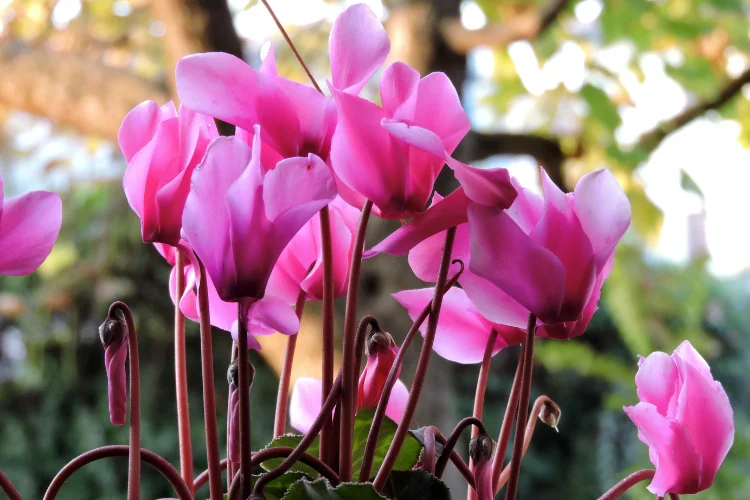
Florist’s cyclamen is a favorite indoor winter flower, with swept-back petals above marbled leaves. It wants a cool, bright room rather than a warm one. Hardy garden cyclamen are a different group and can live outdoors in many cold climates.
- Sun: Bright, indirect light
- Water: Pour into the saucer and drain after 20 minutes
- Soil: Light, fast-draining potting mix
- Blooms: Autumn to early spring
- Height: About 20 to 30 cm (8 to 12 in)
- Cold: Frost tender, so keep it above roughly 5°C (41°F)
- Avoid: Watering the center of the tuber or placing it near a heater
- Pet safety: Toxic to cats and dogs, especially the tuber
4. Camellia
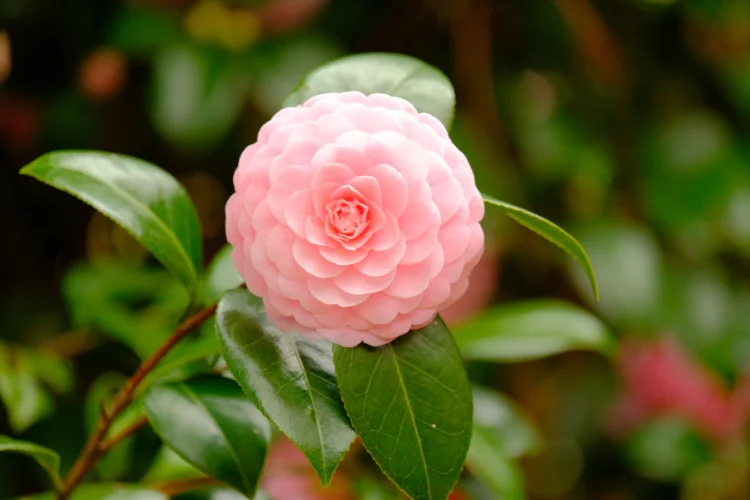
Camellias are glossy evergreen shrubs with rose-like blooms. Depending on the type, flowering can start in late autumn or arrive in late winter. They suit large containers, so you can move them somewhere sheltered.
- Sun: Part shade, with protection from harsh afternoon sun
- Water: Even moisture, especially while buds form
- Soil: Acidic, well-drained, rich in organic matter
- Blooms: Late autumn to spring, by variety
- Height: 1.5 to 4 m (5 to 13 ft) in the ground, smaller in pots
- Cold: Many types handle cold well, but buds can suffer in sharp freezes
- Avoid: Letting soil swing between dry and soggy, which causes bud drop
- Pet safety: Generally considered non-toxic
5. Hellebore
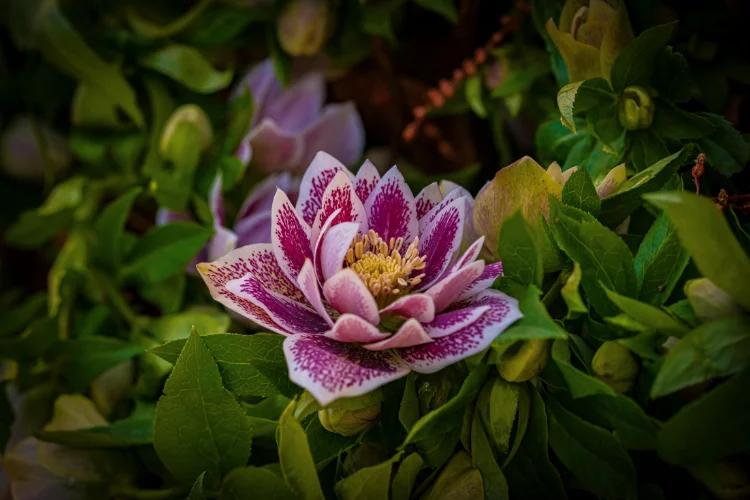
Hellebores, often called Lenten roses, flower when little else does. Their nodding blooms come in cream, pink, plum and green. Once settled, they ask for almost nothing.
- Sun: Part to full shade
- Water: Moderate while establishing, then fairly drought tolerant
- Soil: Rich, well-drained, neutral to slightly alkaline
- Blooms: Late winter to early spring
- Height: About 30 to 45 cm (12 to 18 in)
- Cold: Very hardy
- Avoid: Planting in waterlogged ground
- Pet safety: Toxic to pets if eaten
6. Snapdragon
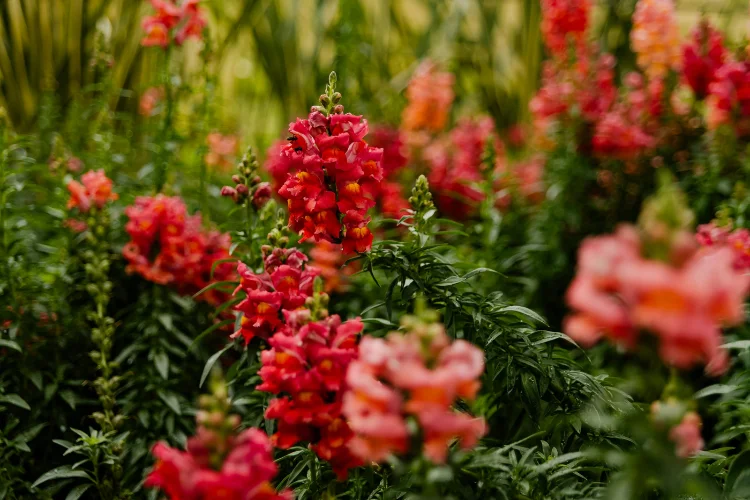
In mild climates, snapdragons are a true winter performer. In colder areas they bloom in spring and early summer, so plant them for early color. Tall types are excellent for cutting.
- Sun: Full sun
- Water: Moderate, at the base of the plant
- Soil: Well-drained, fertile
- Blooms: Winter in mild areas, spring elsewhere
- Height: 30 to 90 cm (1 to 3 ft)
- Cold: Tolerates light frost
- Avoid: Skipping a pinch of the growing tip when young, which leads to leggy plants
7. Primrose
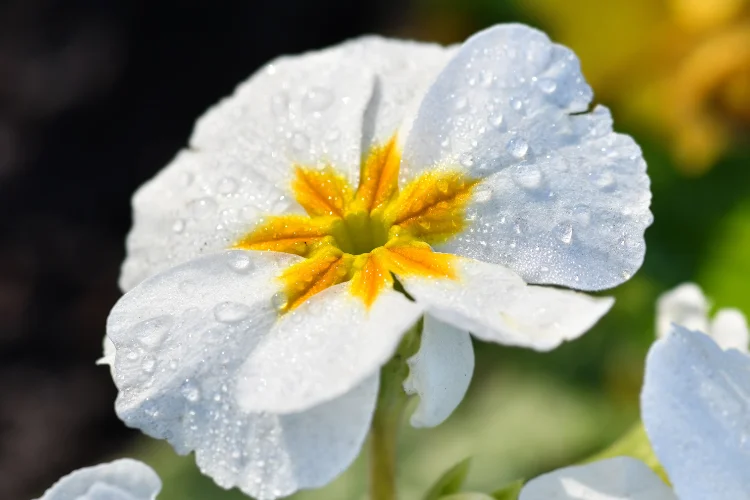
Primroses give cheerful, jewel-toned flowers at the front of beds and in pots. Garden primulas and polyanthus types are the hardiest. Tender indoor primroses are sold separately, so read the label.
- Sun: Part shade
- Water: Keep consistently moist
- Soil: Humus-rich, well-drained
- Blooms: Winter to spring
- Height: About 15 to 25 cm (6 to 10 in)
- Cold: Hardy for garden varieties
- Avoid: Burying the crown or letting plants dry out completely
8. Calendula
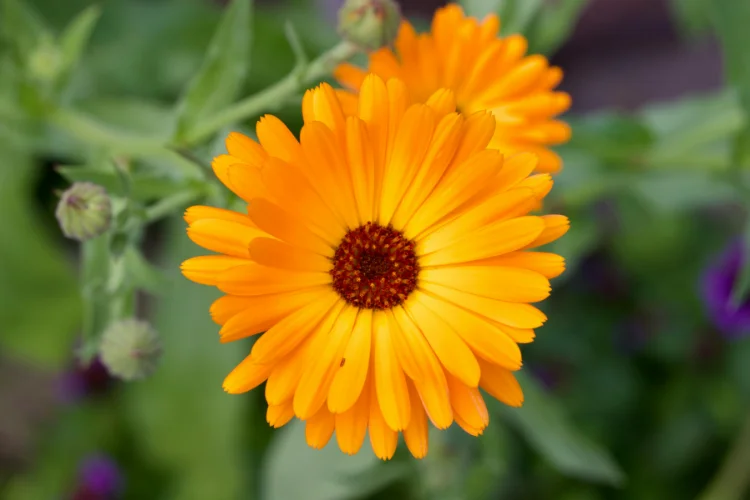
Calendula, or pot marigold, brings warm orange and yellow to cool days. It flowers best in cool weather and often fades in summer heat. Pick blooms often for vases.
- Sun: Full sun
- Water: Low to moderate
- Soil: Average, well-drained
- Blooms: Autumn to spring in mild areas
- Height: About 30 to 60 cm (12 to 24 in)
- Cold: Tolerates light frost
- Avoid: Overfeeding, which gives leaves instead of flowers
- Pet safety: Generally considered low risk
9. Dianthus
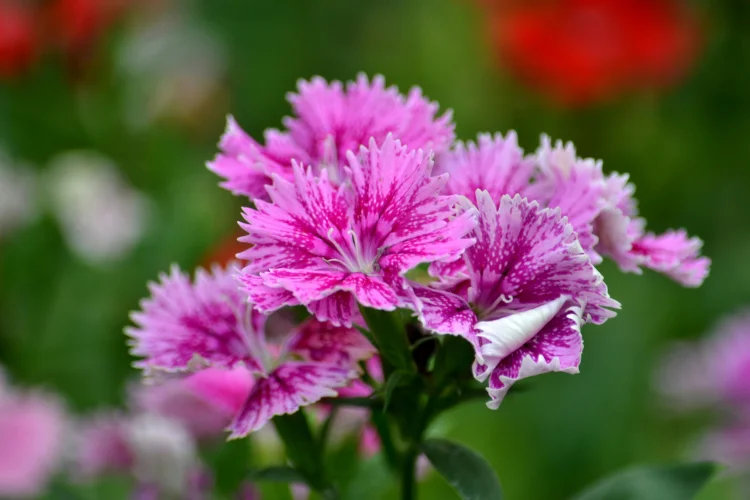
Dianthus forms tidy mounds of fringed flowers, many with a spicy scent. It is a good pick for pots and edging in sun. The foliage often stays silvery-green through winter.
- Sun: Full sun
- Water: Low to moderate
- Soil: Sharp drainage, neutral to slightly alkaline
- Blooms: Winter to spring in mild climates, spring in colder ones
- Height: About 15 to 45 cm (6 to 18 in)
- Cold: Varies by type, from frost tolerant to fully hardy
- Avoid: Heavy, wet soil or thick mulch piled against the crowns
- Pet safety: Mildly toxic to cats and dogs
10. Winter Jasmine
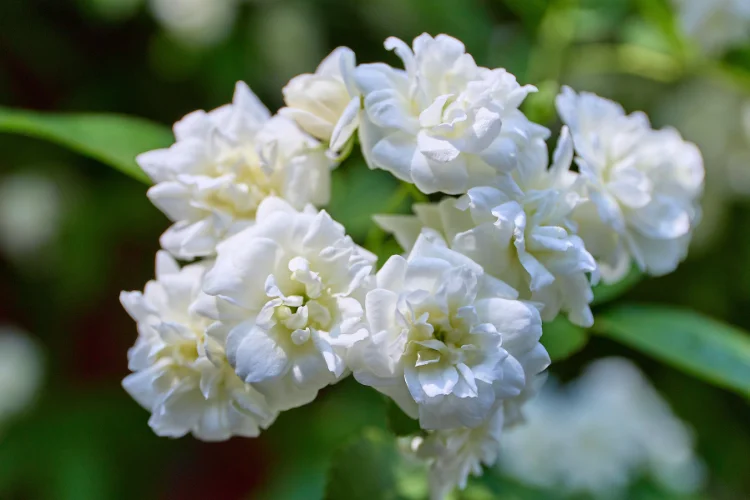
Winter jasmine sends out bright yellow flowers on bare green stems in the coldest months. It sprawls, so train it against a wall or let it trail over a bank. Note that it has little scent, unlike summer jasmine.
- Sun: Full sun to part shade
- Water: Low once established
- Soil: Most well-drained soils
- Blooms: Mid-winter to early spring
- Height: About 1.5 to 3 m (5 to 10 ft) when trained
- Cold: Very hardy
- Avoid: Pruning in autumn, which removes the flower buds
11. Amaryllis
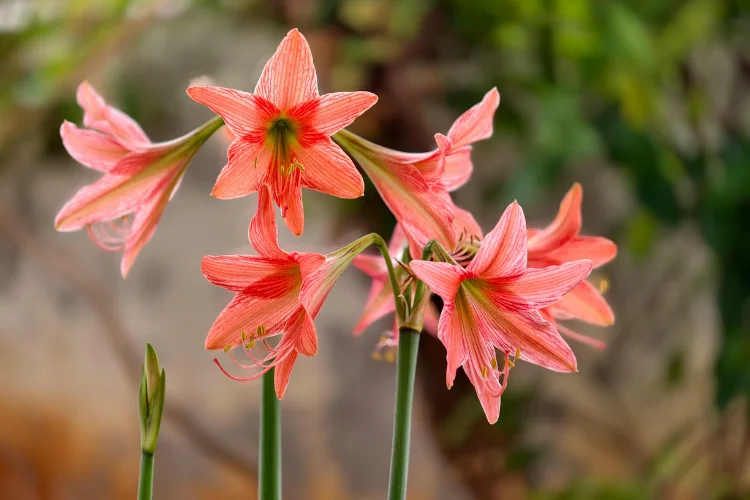
Amaryllis bulbs give huge trumpet flowers indoors in about six to eight weeks from planting. They make an easy, impressive gift. Stagger bulbs every couple of weeks for longer color.
- Sun: Bright light, turned occasionally to keep stems straight
- Water: Barely at first, then regularly once growth appears
- Soil: Well-drained mix, with the top third of the bulb exposed
- Blooms: Winter, timed by planting date
- Height: About 45 to 60 cm (18 to 24 in)
- Cold: Frost tender
- Avoid: Overwatering a bulb with no leaves yet
- Pet safety: Toxic to cats and dogs
12. Paperwhite Narcissus
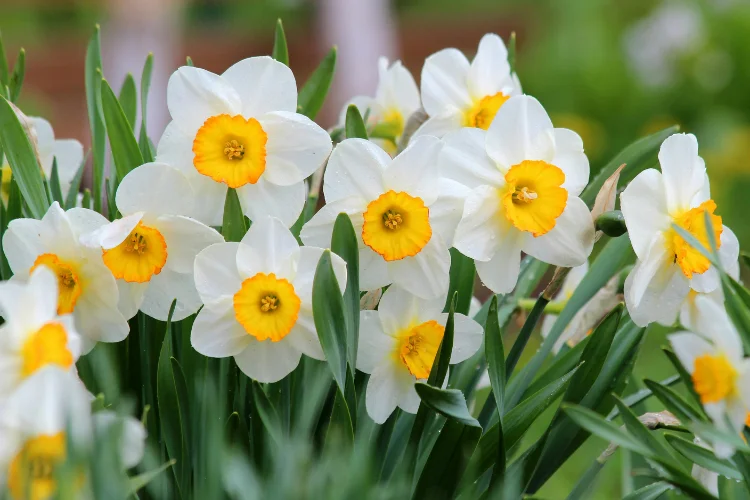
Paperwhites are among the easiest indoor winter flowers, with clusters of white blooms and a strong fragrance. Grow them in soil or on a bed of pebbles with water just below the bulb bases. Many people find the scent intense, so place them where it will not overwhelm a small room.
- Sun: Bright light
- Water: Keep roots moist, not the bulb itself
- Soil: Pebbles and water, or a light potting mix
- Blooms: Roughly three to five weeks after planting
- Height: About 30 to 45 cm (12 to 18 in)
- Cold: Frost tender outdoors in most places
- Avoid: Warm, dim spots, which cause tall, floppy stems
- Pet safety: Toxic to cats and dogs, so keep them out of reach
How to Care for Flowers in Winter
Winter care is mostly about doing less, but doing it at the right time. These habits cover the basics, and our plant care tips go deeper on routines for each season.
Protect from frost. Cover tender plants with fleece or a light cloth on frosty nights, and remove it by day. Move pots against a house wall or into a porch, where temperatures stay a little higher.
Water less, but not never. Cold soil dries slowly, so check with a finger before watering. Water in the morning so leaves can dry before night.
Mulch the roots. A layer of bark, leaf mold or compost keeps soil temperatures steadier. Leave a small gap around stems so they do not rot.
Give them light. Short days mean indoor flowers need your brightest window. Rotate pots every week or so for even growth.
Feed lightly. Most plants need little fertilizer in winter. A weak liquid feed for flowering plants, used occasionally while they bloom, is plenty.
Best Winter Flowers for Pots, Balconies and Indoors
Winter flowers for pots give you control. You can chase the sun, dodge a freeze or bring plants inside when the forecast turns. Browse more ideas in our flowers section.
- Balconies and patios: Pansies, violas, primroses, dianthus and compact snapdragons all do well in containers. Use a pot with drainage holes and a gritty potting mix.
- Large pots on a terrace: A camellia gives height and glossy leaves, with pansies planted around its base.
- Indoors: Cyclamen, amaryllis and paperwhites are the best indoor winter flowers for most homes. Keep cyclamen in the coolest bright room you have.
- In vases: Snapdragons, calendula and hellebore stems (sear cut ends in hot water for longer life) bring the garden inside.
If you want leafy companions for your displays, our houseplant guides are a good place to start.
Common Mistakes to Avoid
- Overwatering. Soggy, cold soil is the most common cause of winter loss.
- Choosing the wrong hardiness. Tender plants like cyclamen and amaryllis cannot stay out in a freeze, while hellebores and winter jasmine need no coddling.
- Planting too late. Cool-season flowers settle best when roots can establish before deep cold. Autumn is usually ideal.
- Forgetting deadheading. Removing faded blooms from pansies, violas and calendula keeps flowers coming.
- Ignoring pets. Cyclamen, amaryllis, narcissus, hellebore and dianthus can harm cats and dogs. Place them out of reach or choose safer options.
- Pruning at the wrong time. Winter jasmine and camellias set buds on timing that differs from many other shrubs, so prune after flowering.
For layout and bed ideas, take a look at our garden guides.
Frequently Ask Questions
Pansies, violas, calendula and hellebores are forgiving and widely available. They tolerate cool weather and need little fuss beyond decent drainage.
Hellebores, winter jasmine and hardy primroses are the usual choices, and some camellias and hardy cyclamen join them in suitable zones. Always check your local hardiness range, since a harsh freeze can still damage buds.
Cyclamen, amaryllis and paperwhite narcissus are the easiest. Give them bright light and keep cyclamen away from heaters.
Yes, and winter flowers for pots are often easier to protect than those in beds. Use containers with drainage holes and move them into shelter during hard frosts.
Not always. Cyclamen, amaryllis, narcissus, hellebore and dianthus are toxic to cats and dogs, so keep them out of reach and check with a vet if a pet chews one.
Conclusion
Winter does not have to be a bare season. Pick two or three flowers from this list that match your light and climate, and plant them while the weather is still mild. Once you are enjoying winter color, it is fun to plan ahead, and our summer flowers is a good next read.