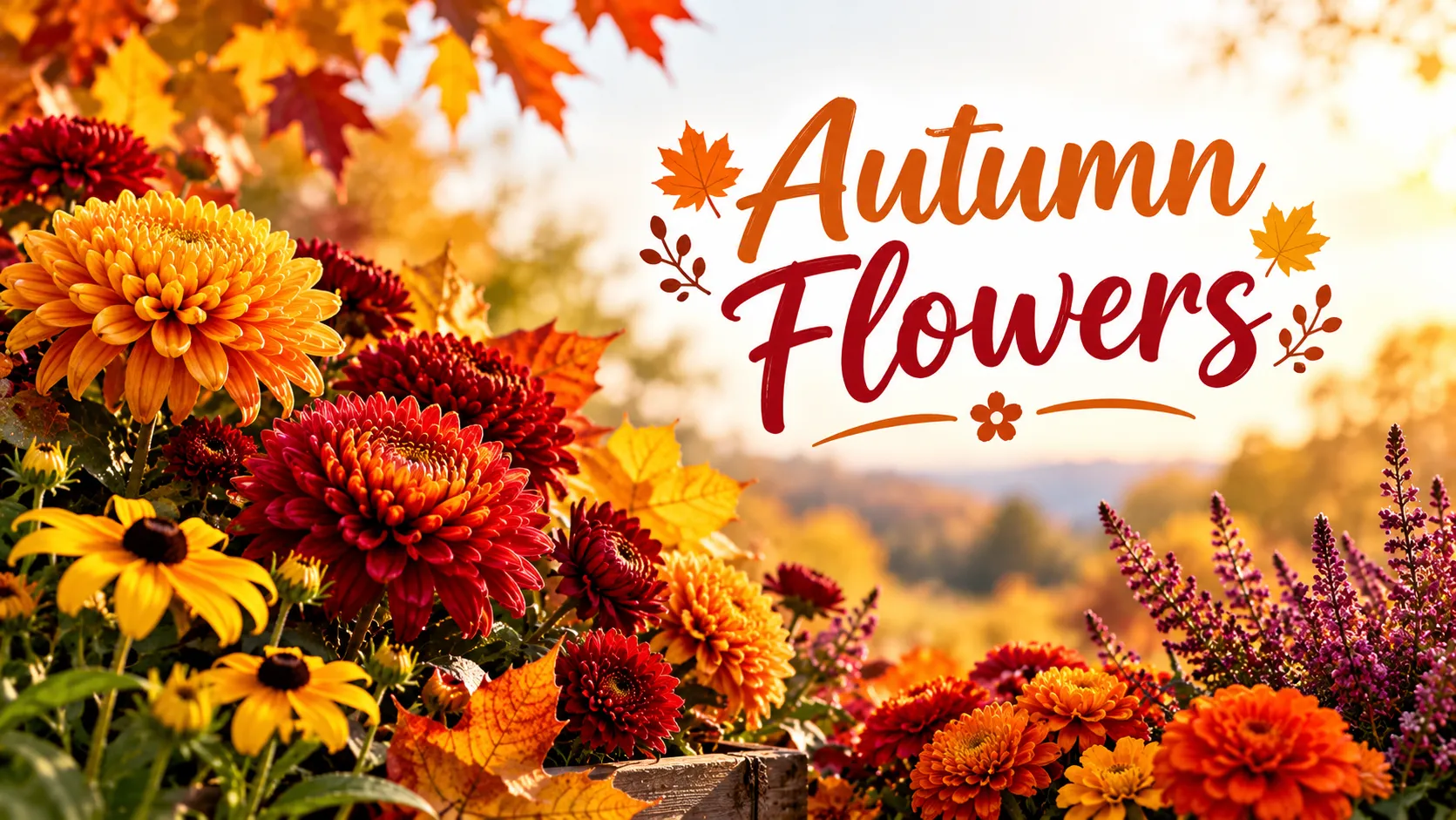

The best autumn flowers include chrysanthemums, asters, sedum, dahlias, rudbeckia and Japanese anemones, with pansies and ornamental kale joining in once nights turn cool. Most fall flowers want sun, steady moisture and a little deadheading. Bloom time and frost dates vary by region, so check your local first frost date before you plant. Below are 12 reliable picks, a quick comparison table, and care tips for both cool and warm climates.
To keep summer color going a little longer, see our guide to summer flowers, since a few of them, like dahlias and rudbeckia, keep blooming well into fall.
Flowers That Bloom in Fall
Hardiness varies by variety, so treat the cold tolerance column as a general guide.
| Flower | Sun | Water | Cold tolerance | Difficulty | Best for |
|---|---|---|---|---|---|
| Chrysanthemum | Full sun | Even moisture | Garden types hardy to about zone 5 | Easy | Pots, borders, vases |
| Aster | Full sun | Medium | Very hardy, zone 3 to 4 | Easy | Beds, pollinators |
| Sedum | Full sun | Low | Very hardy, zone 3 | Very easy | Dry beds, containers |
| Dahlia | Full sun | Regular | Tender, tubers need lifting in cold zones | Moderate | Vases, borders |
| Rudbeckia | Full sun | Low to medium | Hardy, many types to zone 3 or 4 | Easy | Beds, wild looks |
| Japanese anemone | Part shade | Moist | Hardy to about zone 4 or 5 | Moderate | Shady borders |
| Pansy | Sun to part shade | Even moisture | Handles light to moderate frost | Easy | Pots, edging |
| Ornamental kale | Full sun | Medium | Handles hard frost | Easy | Pots, cool-season beds |
| Helenium | Full sun | Moist | Hardy to about zone 3 or 4 | Easy | Back of borders, vases |
| Celosia | Full sun | Medium | Frost tender | Easy | Warm climates, vases |
| Sasanqua camellia | Part shade | Even moisture | Zones 7 to 9 | Moderate | Warm-climate shrub |
| Toad lily | Part to full shade | Moist | Hardy to about zone 4 or 5 | Moderate | Shady corners |
12 of the Best Autumn Flowers
Chrysanthemum
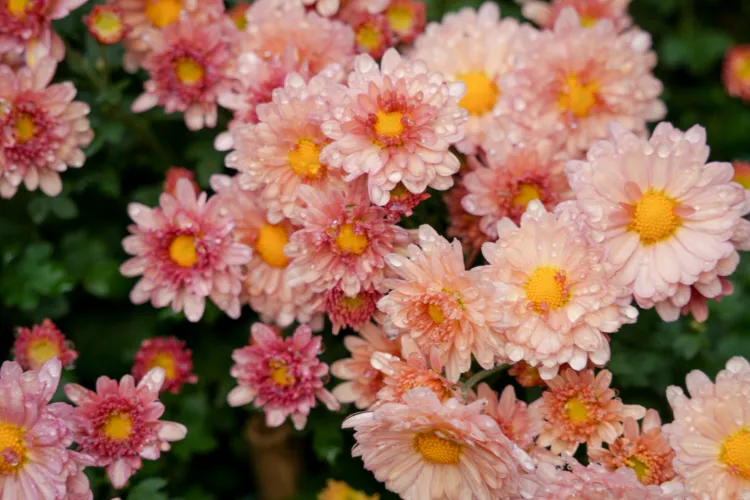
Chrysanthemums are the classic fall flower, covering themselves in blooms in nearly every color except blue. Garden mums come back year after year in many regions, while the florist mums sold in gift pots are often less hardy. Both are toxic to cats and dogs if eaten, so keep them out of reach of curious pets.
- Sun and water: Full sun, with even moisture.
- Soil: Well-drained, moderately rich.
- Blooms and height: Late summer to frost, about 1 to 3 feet.
- Cold tolerance: Garden types usually hardy to about zone 5.
- Avoid: Letting the pot dry out, since mums wilt fast and recover poorly.
Aster
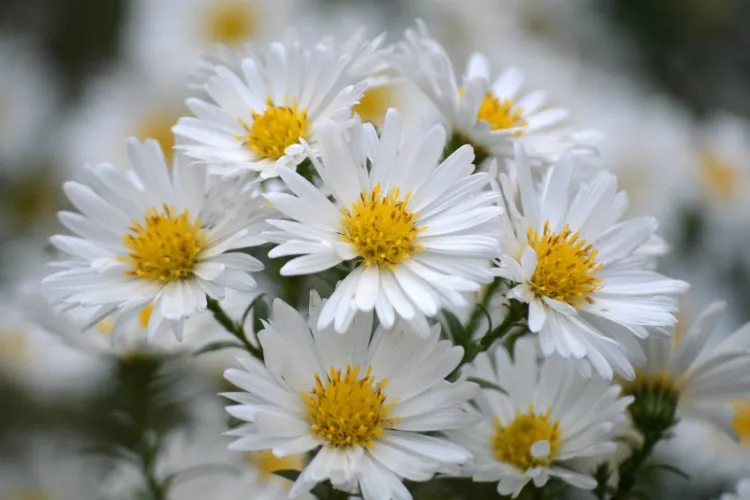
Asters bring clouds of daisy-like purple, pink or white flowers just as many other plants fade. Bees and butterflies love them, which makes them a lovely pick for a wildlife-friendly bed. Pinching the stems in early summer gives you sturdier plants with more flowers.
- Sun and water: Full sun, medium water.
- Soil: Average, well-drained.
- Blooms and height: Late summer to mid fall, from 1 foot (dwarf types) to over 4 feet.
- Cold tolerance: Very hardy, often zone 3 to 4.
- Avoid: Crowding plants, which invites powdery mildew.
Sedum
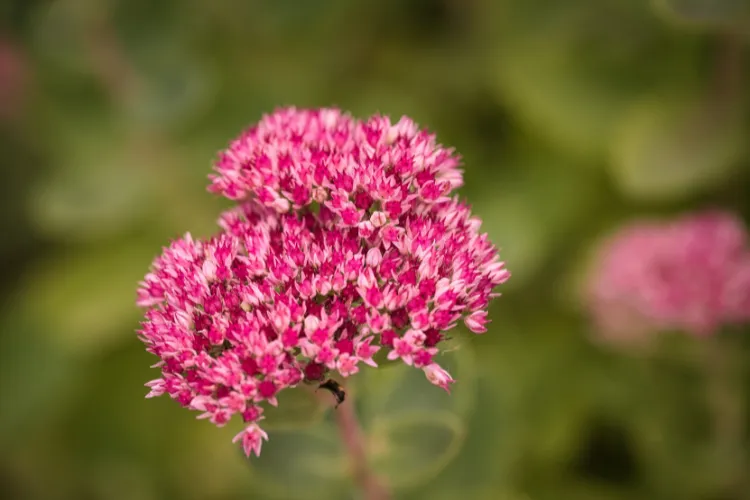
Tall sedums, such as ‘Autumn Joy’, start with pale green flower heads that deepen to pink and then rusty red. They store water in their leaves, so they shrug off dry spells. Sedum is one of the easiest autumn blooming flowers for beginners.
- Sun and water: Full sun, low water once established.
- Soil: Lean and well-drained.
- Blooms and height: Late summer through fall, about 18 to 24 inches.
- Cold tolerance: Very hardy, often zone 3.
- Avoid: Rich soil and heavy feeding, which make stems flop open.
Dahlia
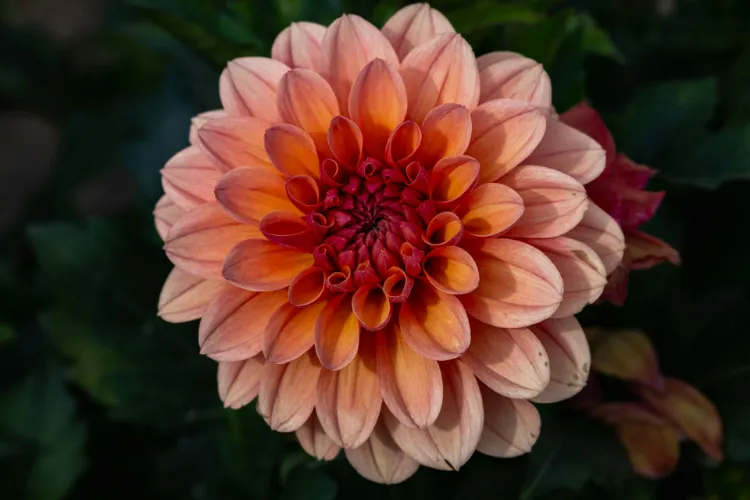
Dahlias produce some of the showiest blooms of the season, from tiny pompons to dinner-plate giants. They flower from midsummer until frost, so autumn is their grand finale. Dahlias are mildly toxic to cats and dogs, so plant them where pets will not chew them.
- Sun and water: Full sun, regular watering.
- Soil: Rich, well-drained.
- Blooms and height: Midsummer to frost, from 1 foot to over 4 feet.
- Cold tolerance: Tubers survive winter outdoors only in mild zones, roughly 8 to 10.
- Avoid: Leaving tubers in cold, soggy ground over winter.
Rudbeckia
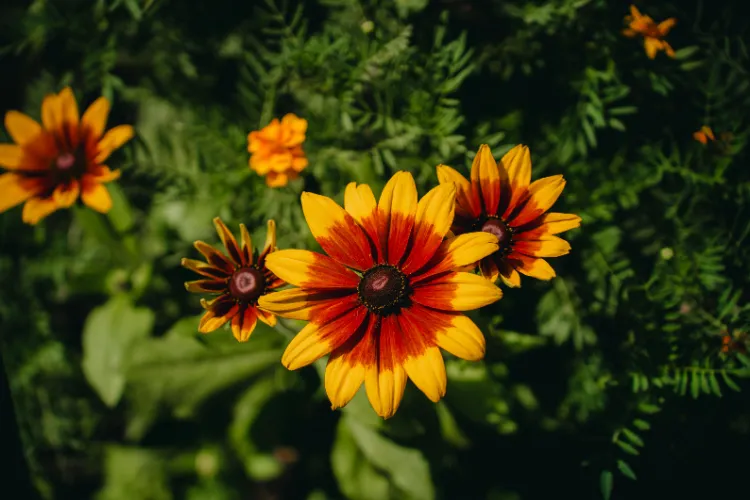
Rudbeckia, also called black-eyed Susan, glows gold with dark centers in the low autumn light. It tolerates heat and some drought, and the seed heads feed birds once the petals drop. Many varieties bloom from summer straight into fall.
- Sun and water: Full sun, low to medium water.
- Soil: Average, well-drained.
- Blooms and height: Summer to fall, about 2 to 3 feet.
- Cold tolerance: Many types hardy to zone 3 or 4, though some are short-lived.
- Avoid: Cutting everything back too early and removing the seed heads.
Japanese Anemone
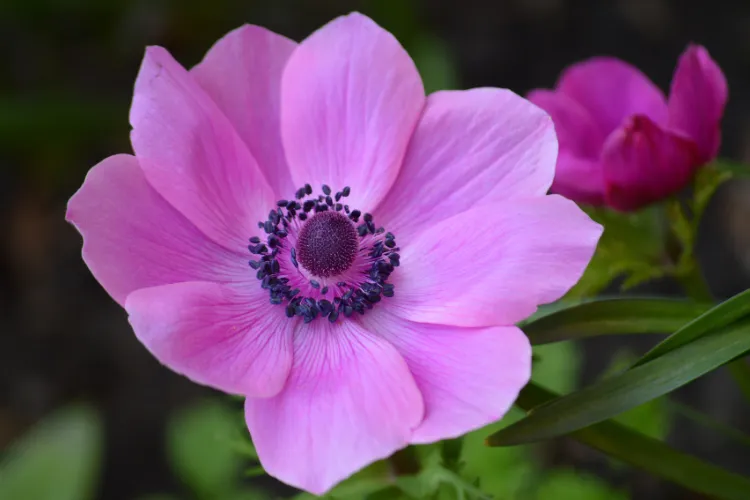
Japanese anemones float pink or white flowers on tall, wiry stems, usually from late summer into fall. They are a rare bloomer for part shade, which makes them useful under trees. The plant spreads over time, and it can irritate pets if chewed, so use some caution around dogs and cats.
- Sun and water: Part shade, with consistently moist soil.
- Soil: Humus-rich and well-drained.
- Blooms and height: Late summer to fall, about 2 to 4 feet.
- Cold tolerance: Usually hardy to zone 4 or 5.
- Avoid: Hot, dry spots, which cause scorched leaves and fewer flowers.
Pansy
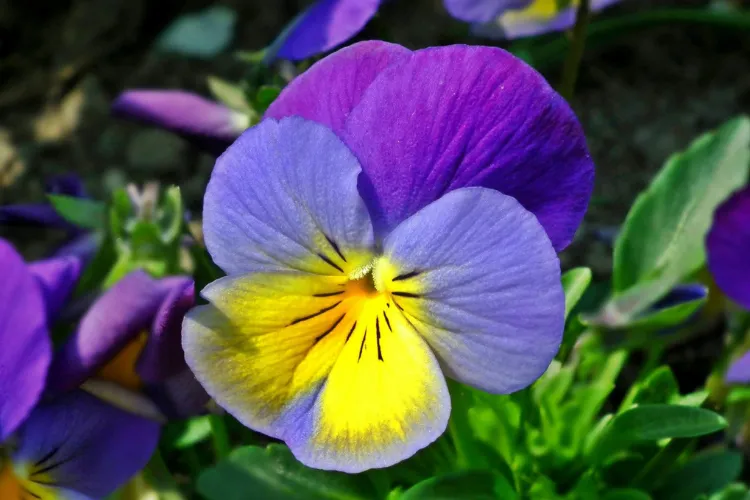
Pansies love cool weather, so they shine in autumn and often bloom again in spring. They are safe for most pets and the flowers are edible, though it is best to grow them without chemical sprays if you plan to eat them. They are a lovely choice when you want autumn flowers for pots.
- Sun and water: Sun to part shade, even moisture.
- Soil: Rich and well-drained.
- Blooms and height: Fall, winter in mild areas, and spring, about 6 to 8 inches.
- Cold tolerance: Handles light to moderate frost, and a mulch helps in colder areas.
- Avoid: Planting in hot weather, when plants stretch and stop flowering.
Ornamental Kale
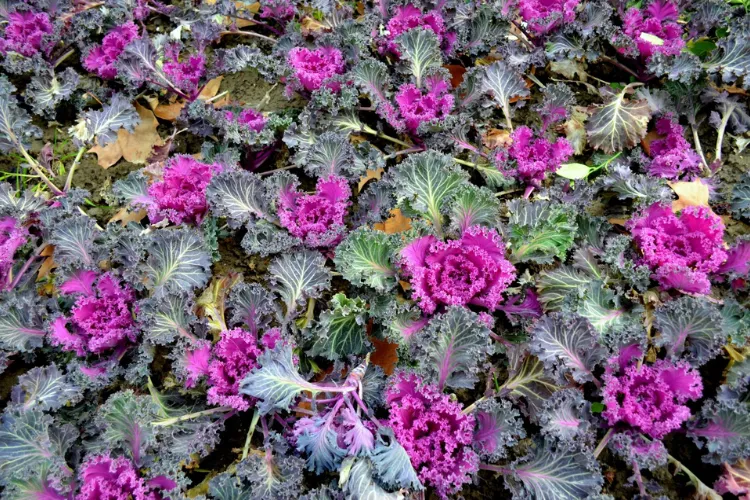
Ornamental kale and cabbage are grown for their ruffled rosettes in cream, pink and purple. Their color deepens as nights cool, and they hold up through frost. Treat them as a foliage choice that fills the gap between summer annuals and winter.
- Sun and water: Full sun, medium water.
- Soil: Fertile, well-drained.
- Blooms and height: Best color in cool fall weather, about 12 to 18 inches.
- Cold tolerance: Handles hard frost once established, though extreme cold varies by variety.
- Avoid: Planting too early in warm weather, when the color stays dull and pests move in.
Helenium
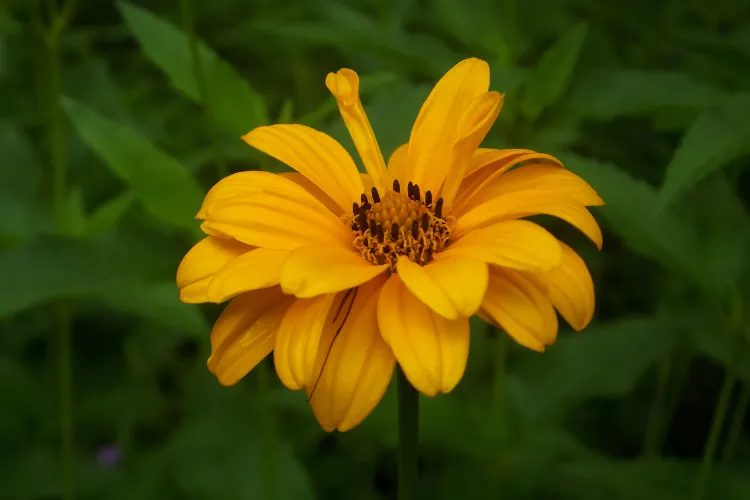
Helenium, sometimes called sneezeweed, offers daisy-like flowers in warm shades of copper, red and yellow. It is tall and bold, which makes it a good partner for asters and ornamental grasses. It is also toxic to some animals, so check before planting where pets roam.
- Sun and water: Full sun, moist soil.
- Soil: Rich, well-drained.
- Blooms and height: Late summer to fall, about 3 to 5 feet.
- Cold tolerance: Often hardy to zone 3 or 4.
- Avoid: Letting clumps dry out or grow crowded. Dividing every few years keeps them vigorous.
Celosia
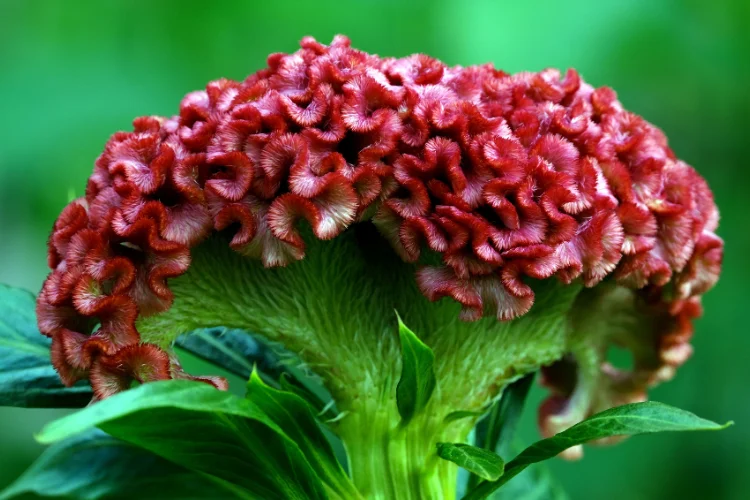
Celosia produces feathery plumes or crinkled “brain” crests in bright reds, oranges and pinks. In warm climates it blooms right through autumn. It makes a long-lasting cut flower and dries well.
- Sun and water: Full sun, medium water.
- Soil: Well-drained, moderately fertile.
- Blooms and height: Summer to first frost, about 1 to 3 feet.
- Cold tolerance: Frost tender, so treat it as an annual in cold regions.
- Avoid: Overwatering, which leads to rot and weak growth.
Sasanqua Camellia
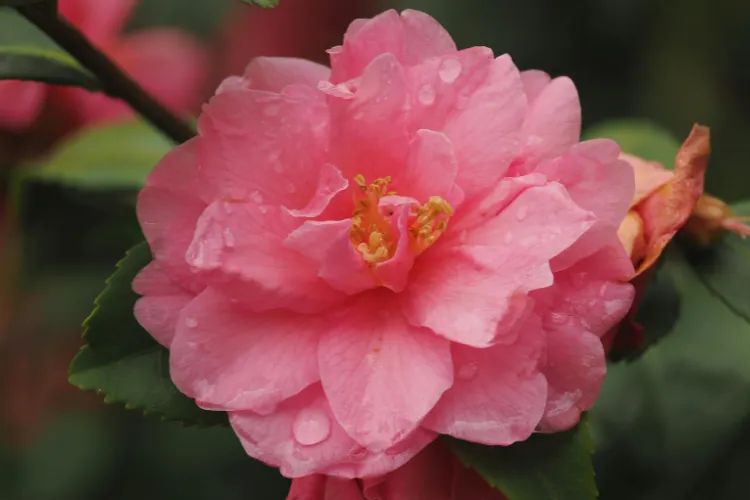
Sasanqua camellias are shrubs that bloom in fall, well before the more familiar spring camellias. They suit mild and warm regions and give you flowers when the garden feels quiet. They are generally considered safe for pets.
- Sun and water: Part shade or morning sun, even moisture.
- Soil: Acidic, well-drained, rich in organic matter.
- Blooms and height: Fall into early winter, often 6 to 12 feet, depending on the variety.
- Cold tolerance: Best in zones 7 to 9, with protection from hard freezes.
- Avoid: Planting too deep or in soggy ground.
Toad Lily
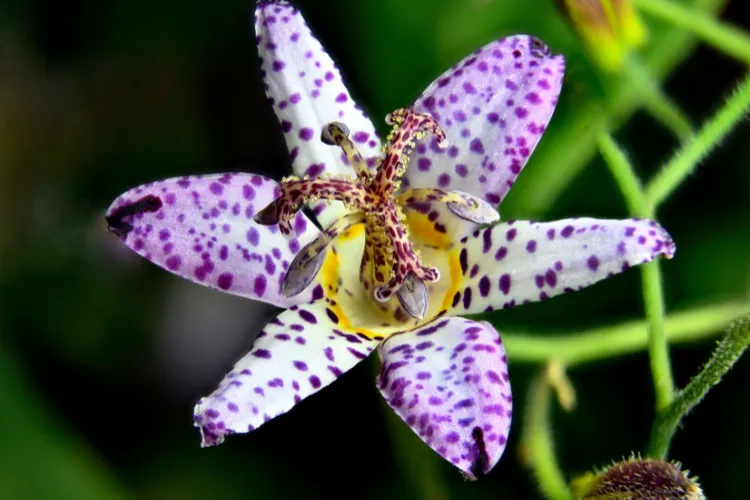
Toad lilies carry small, orchid-like flowers with purple spots on arching stems. They are a smart pick for shady corners where few other plants bloom in fall. The blooms are subtle, so plant them where you can see them up close.
- Sun and water: Part to full shade, consistently moist soil.
- Soil: Humus-rich and well-drained.
- Blooms and height: Late summer to fall, about 2 to 3 feet.
- Cold tolerance: Usually hardy to about zone 4 or 5.
- Avoid: Dry soil, which browns the leaf edges. Watch for slugs in spring.
How to Care for Autumn Flowers
Fall care is simpler than summer care, but a few habits make a real difference.
Watering: Cooler air does not mean plants stop needing water. Check the soil with a finger and water deeply when the top inch or two feels dry. Pots dry out faster than beds, especially on windy balconies.
Deadheading: Pinch off spent blooms on mums, pansies, dahlias and celosia to encourage more flowers. Leave the seed heads on rudbeckia and sedum late in the season if you want to feed the birds.
Feeding: Give a light dose of balanced fertilizer to plants that are still producing buds. Stop feeding once growth slows, since fresh tender leaves are easily damaged by frost.
Protecting from early frost: When a cold night is forecast, cover tender plants with a light sheet or frost cloth, and remove it in the morning. Pots can be moved against a warm wall or indoors for the night. When frost arrives for good, our winter flowers list has hardy options to carry the color on.
Cleaning up the garden: Remove diseased leaves and any plant that has finished, but you do not need to cut everything to the ground. Many perennials look attractive with their seed heads, and the stems shelter helpful insects over winter.
Cool climates: Choose cold-hardy plants like asters, sedum, rudbeckia and helenium. Plant mums early enough in fall for roots to settle before the ground freezes. Add a layer of mulch around perennials after the first hard frost.
Warm climates: Autumn works like a second growing season. Plant pansies, ornamental kale and sasanqua camellias as the heat breaks, and keep celosia and dahlias going until temperatures drop. In very hot regions, wait until nights cool before planting cool-season flowers.
Best Autumn Flowers for Pots, Balconies and Vases
For pots and balconies: Mums, pansies, ornamental kale and sedum are dependable in containers. Use a pot with drainage holes and a quality potting mix. A good combination is a mum in the center, pansies around the edge and a trailing plant to soften the rim.
For vases: Dahlias, asters, helenium, rudbeckia and celosia all last well once cut. Cut stems in the cool of the morning, strip the lower leaves and use clean water. Change the water every couple of days to extend vase life.
Pet safety: Chrysanthemums, dahlias and autumn crocus (Colchicum) are toxic to cats and dogs. Autumn crocus is especially dangerous and is best avoided if you have pets. If an animal eats any plant and seems unwell, contact your veterinarian.
Common Mistakes to Avoid
- Planting too late. Roots need a few weeks to settle before hard frost, particularly for perennial mums.
- Overwatering in cool weather. Soil stays damp longer in fall, and soggy roots rot quickly.
- Skipping drainage. Pots without holes trap water and kill plants within weeks.
- Cutting back too soon. Early cleanup removes seed heads that feed wildlife and adds winter interest.
- Ignoring local frost dates. Dates differ widely, so check yours before choosing tender plants.
- Feeding late. Fertilizer near the end of the season pushes tender growth that frost will damage.
Frequently Asked Questions
Chrysanthemums, asters, sedum, dahlias, rudbeckia, Japanese anemones and helenium all bloom in fall. Pansies, ornamental kale and sasanqua camellias add color in cooler or milder regions.
Sedum, asters, rudbeckia and pansies are forgiving and need little fuss. Mums are also easy as long as you keep them watered.
Many can go in during early autumn, especially nursery-grown mums, pansies and kale. Tender plants like dahlias and celosia are usually planted in spring, though already-blooming plants can be added for instant color.
Mums, pansies, ornamental kale and compact sedums do well in containers. Give them a pot with drainage and check the soil often.
Not all of them. Chrysanthemums, dahlias and autumn crocus are toxic to cats and dogs, while pansies and sasanqua camellias are generally considered safer.
Conclusion
Autumn can be one of the prettiest times in the garden if you plant the right flowers. Start small by picking two or three from this list that suit your sun and space, and plant them while the weather is still mild. For more ideas, visit FloraHomely and keep exploring flowers for every season.