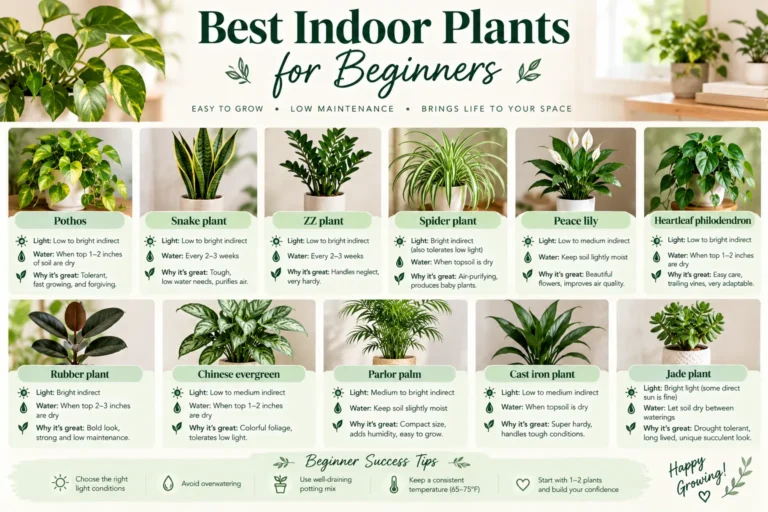
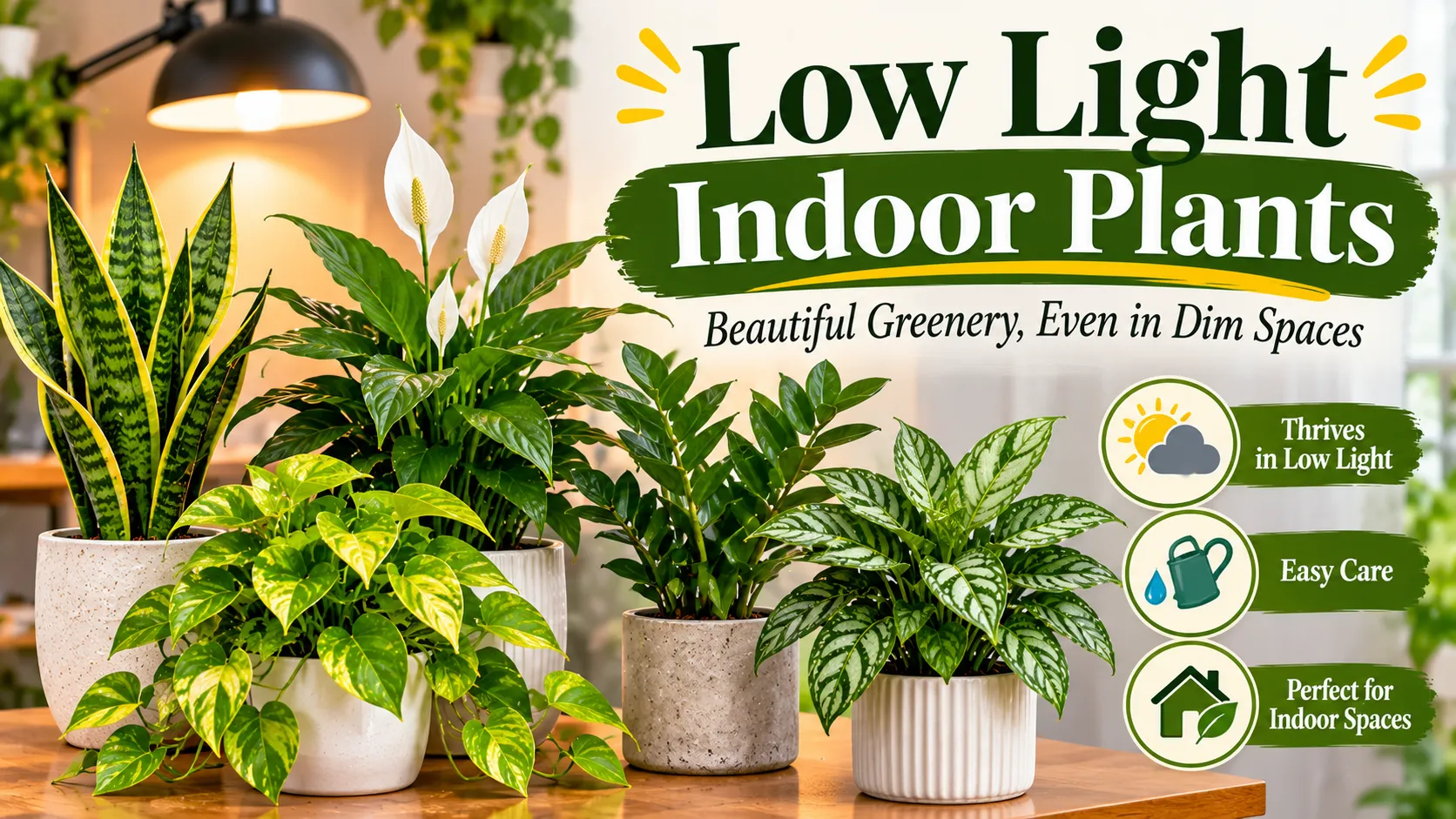

If your room is dim, a few plants will cope well. ZZ plants, snake plants, cast iron plants, pothos and peace lilies are the most reliable low light indoor plants for beginners. Still, “low light” does not mean “no light”. Every plant here needs some daylight, and none will survive long in a windowless, completely dark room.
Expect slower growth, not fast growth. Tolerating low light means the plant stays alive and looks decent, and that is a perfectly good goal. If you are brand new to houseplants, our best indoor plants for beginners guide covers the basics of choosing and settling in a first plant.
Which Low Light Plant Should You Choose?
| Plant | Light tolerance | Watering | Pet safe? | Size | Difficulty |
|---|---|---|---|---|---|
| ZZ plant | Low to bright indirect | Every 2 to 4 weeks | No | 2 to 3 ft | Very easy |
| Snake plant | Low to bright | Every 2 to 4 weeks | No | 1 to 4 ft | Very easy |
| Cast iron plant | Low to medium | When top soil is dry | Yes | 2 to 3 ft | Easy |
| Pothos | Low to bright indirect | When top soil is dry | No | Trailing vines | Easy |
| Heartleaf philodendron | Low to bright indirect | When top soil is dry | No | Trailing vines | Easy |
| Peace lily | Low to medium | When top soil is dry | No | 1 to 3 ft | Easy |
| Chinese evergreen | Low to medium | When top soil is dry | No | 1 to 3 ft | Easy |
| Parlor palm | Low to medium | When top soil is dry | Yes | 2 to 4 ft | Easy |
| Spider plant | Low to bright indirect | When top soil is dry | Yes | About 1 ft, with trailing babies | Easy |
| Dracaena | Low to medium | When top soil is dry | No | 2 to 6 ft | Easy |
| Lucky bamboo | Low to medium | Keep roots in water | No | 1 to 3 ft | Easy |
Sizes and tolerance vary by variety, so treat this table as a starting point.
What “Low Light” Really Means
Low light is about how much daylight actually reaches the plant, not how bright the room feels to you. Our eyes adjust quickly, so a room that looks cheerful can still be dim for a leaf. Several things decide the real answer.
- Window direction: In the Northern Hemisphere, north-facing windows give the softest, weakest light, and south-facing ones give the strongest. In the Southern Hemisphere it is reversed, so south-facing windows are the dim ones.
- Distance from the window: Light fades fast as you move away from the glass. A spot a few feet back can be much dimmer than the sill itself.
- Curtains and blinds: Sheer curtains soften light a little, while thick ones can cut it sharply.
- Buildings and trees outside: A neighbouring wall or a leafy tree can turn a “good” window into a shaded one.
- Season: Winter days are shorter and the sun sits lower, so a spot that works in summer may be too dim by December.
A Simple Shadow Test
Hold your hand about a foot above the spot at midday. A sharp, clearly outlined shadow means medium to bright light. A soft, blurry shadow means low light, which suits the plants in this guide. If you can barely see a shadow, the spot is very dim and even tough plants will struggle.
Hot Climates and Cool Homes
In hot, sunny regions, a shaded room can still be brighter than a typical room in a cloudy northern city. A plant that would sulk in a dim European flat may be perfectly happy there, so judge by the shadow test rather than by the label. In cooler homes in winter, plants grow even more slowly and need less water, so ease off and keep them away from cold glass.
11 Low Light Plants Worth Growing
ZZ Plant (Zamioculcas zamiifolia)
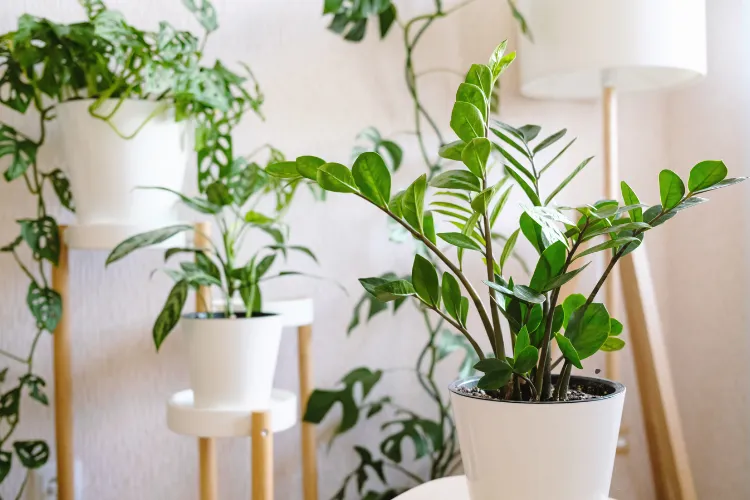
The ZZ plant stores water in thick underground rhizomes, which is why it forgives missed waterings. Its glossy, upright stems look smart in almost any room.
- Light: Handles low light, grows better in bright indirect light.
- Water: Let the soil dry out fully, then water well.
- Size and growth: 2 to 3 ft, slow.
- Pets: Generally considered toxic to cats and dogs.
- Common mistake: Watering on a schedule instead of checking the soil.
Snake Plant (Sansevieria, now often listed as Dracaena trifasciata)
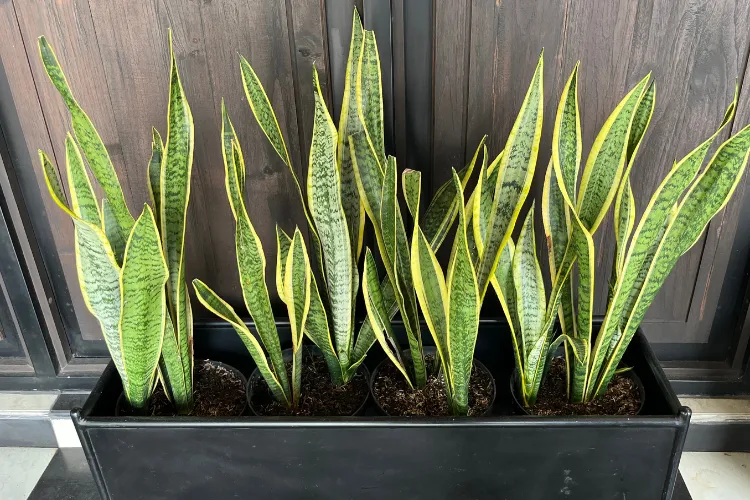
Snake plants are famously tough and tolerate dim corners well. Varieties differ, and the darker green types usually cope with low light better than the yellow-edged ones.
- Light: Low to bright. Growth is very slow in dim spots.
- Water: Sparingly, and less in winter.
- Size and growth: 1 to 4 ft depending on variety, slow.
- Pets: Generally considered toxic to cats and dogs.
- Common mistake: Overwatering, which rots the base.
Cast Iron Plant (Aspidistra elatior)
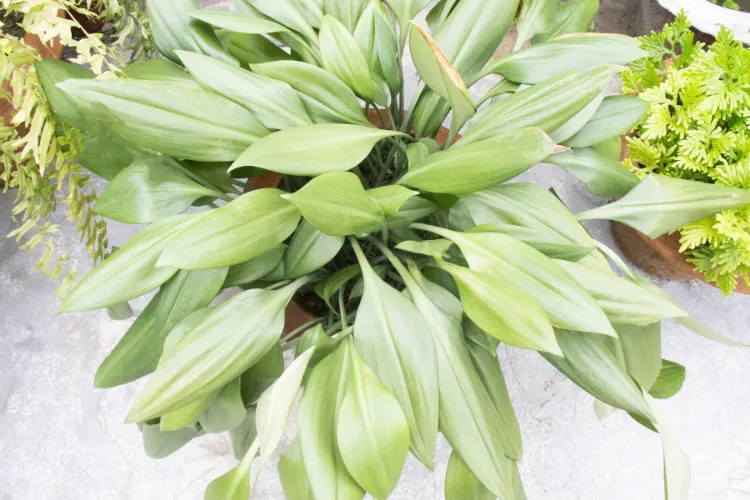
The name says it all. This old-fashioned plant puts up with shade, uneven care and cooler rooms.
- Light: Low to medium. Direct sun scorches the leaves.
- Water: Water when the top of the soil feels dry.
- Size and growth: 2 to 3 ft, very slow.
- Pets: Generally considered non-toxic to cats and dogs.
- Common mistake: Giving it too much sun.
Pothos (Epipremnum aureum)
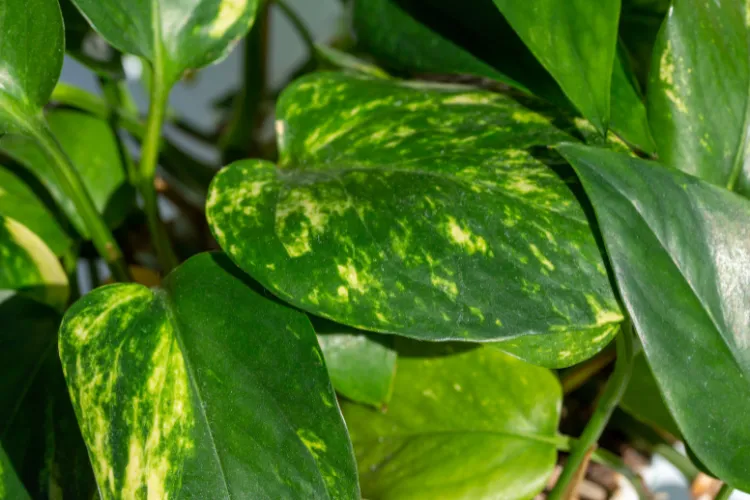
Pothos is a forgiving trailing plant that looks lovely on a shelf or in a hanging pot. In low light, the golden and marbled varieties may lose some of their variegation and turn greener.
- Light: Low to bright indirect.
- Water: When the top inch or so of soil is dry.
- Size and growth: Long trailing vines, moderate speed.
- Pets: Generally considered toxic to cats and dogs.
- Common mistake: Keeping the soil constantly wet.
Heartleaf Philodendron (Philodendron hederaceum)
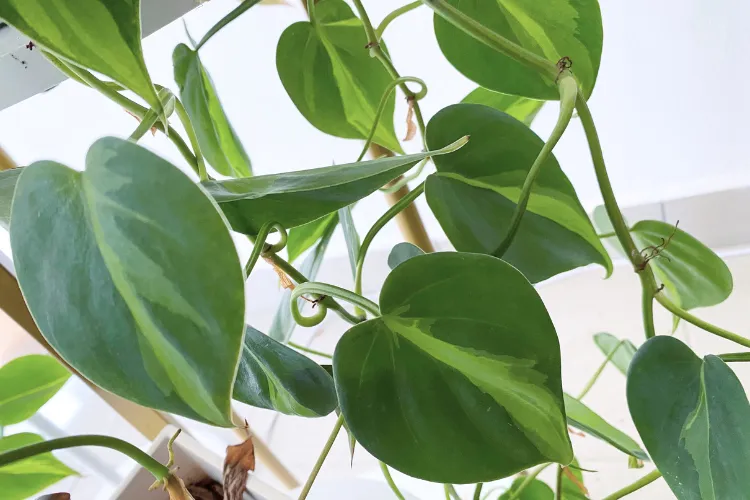
This is a soft, trailing climber with heart-shaped leaves. It stretches in dim light, but a trim now and then keeps it full.
- Light: Low to bright indirect.
- Water: When the top of the soil is dry.
- Size and growth: Trailing or climbing vines, moderate.
- Pets: Generally considered toxic to cats and dogs.
- Common mistake: Leaving it in a dark spot and never pruning, which leads to long, bare stems.
Peace Lily (Spathiphyllum)
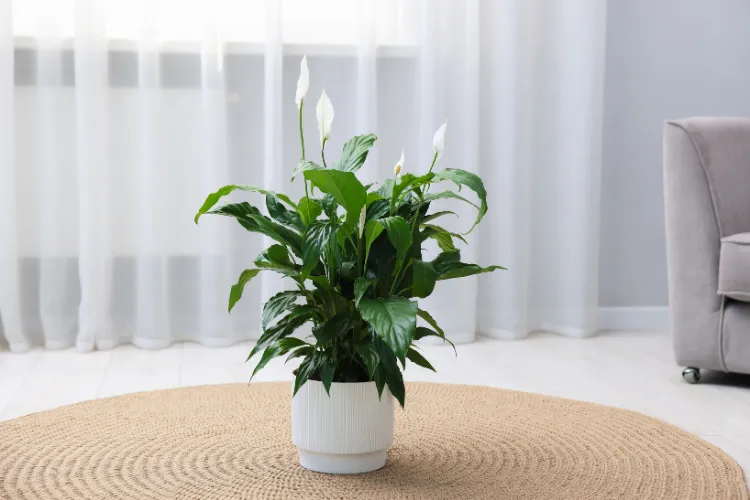
Peace lilies handle shade well and will droop dramatically when thirsty, then perk up after a drink. They may flower less in low light, but the glossy leaves stay attractive.
- Light: Low to medium. Dim rooms mean fewer blooms.
- Water: When the top of the soil is dry, or when the leaves begin to droop.
- Size and growth: 1 to 3 ft, moderate.
- Pets: Generally considered toxic to cats and dogs.
- Common mistake: Watering at the first small droop instead of checking the soil.
Chinese Evergreen (Aglaonema)
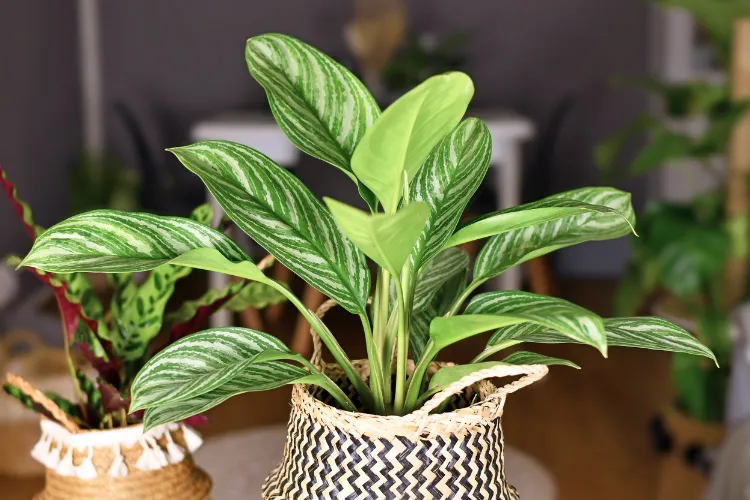
Chinese evergreens come in patterned greens, silvers and pinks. Plain green varieties tolerate low light best, while the brightly coloured ones need a little more.
- Light: Low to medium.
- Water: When the top of the soil is dry.
- Size and growth: 1 to 3 ft, slow to moderate.
- Pets: Generally considered toxic to cats and dogs.
- Common mistake: Choosing a colourful variety for a very dim spot.
Parlor Palm (Chamaedorea elegans)
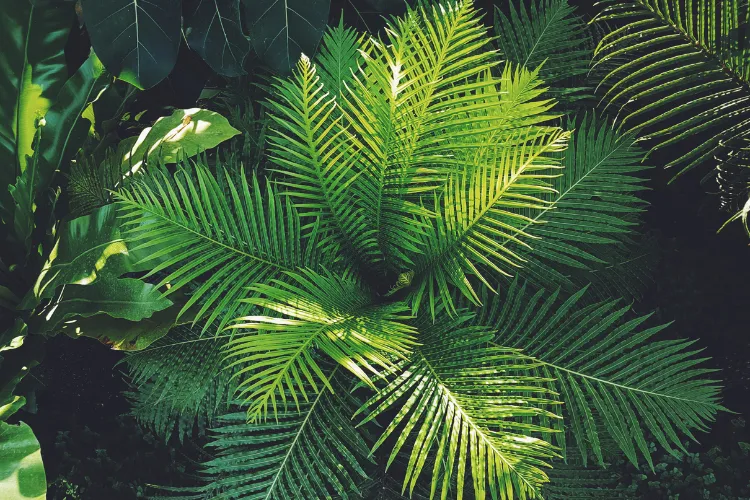
A gentle, feathery palm that suits small rooms and shaded corners. It stays compact and grows slowly indoors.
- Light: Low to medium. Avoid hot direct sun.
- Water: Keep the soil lightly moist, but never soggy.
- Size and growth: 2 to 4 ft, slow.
- Pets: Generally considered non-toxic to cats and dogs.
- Common mistake: Letting it dry out completely between waterings.
Spider Plant (Chlorophytum comosum)
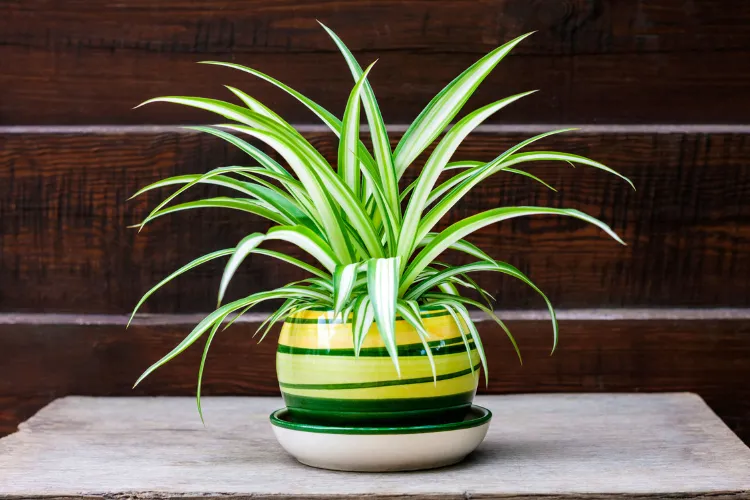
Spider plants are cheerful and easy, and they produce small baby plantlets on long stems. They prefer brighter light but cope with dim rooms, with less vigorous growth.
- Light: Low to bright indirect.
- Water: When the top of the soil is dry.
- Size and growth: About 1 ft tall with trailing plantlets, moderate.
- Pets: Generally considered non-toxic to cats and dogs.
- Common mistake: Using very hard tap water every time, which can brown the leaf tips.
Dracaena
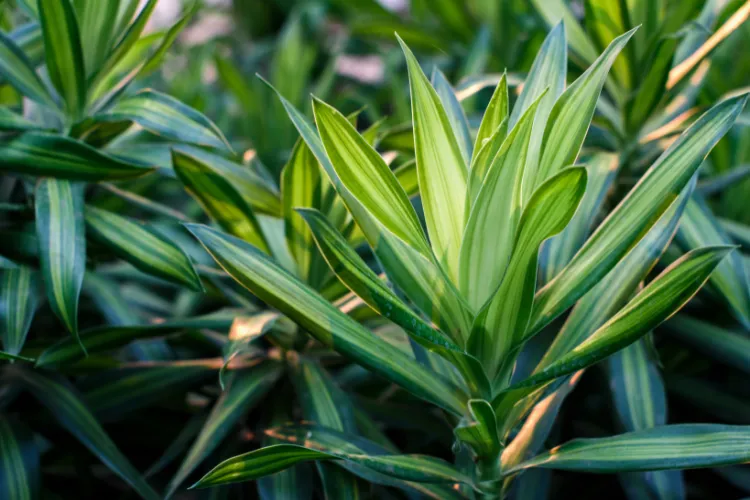
Dracaenas include many varieties, from slim corn plants to red-edged types. Plain green kinds are the better choice for dim rooms.
- Light: Low to medium. Variegated types prefer more.
- Water: Let the top half of the soil dry first.
- Size and growth: 2 to 6 ft depending on variety, slow.
- Pets: Generally considered toxic to cats and dogs.
- Common mistake: Overwatering, or watering with very salty or hard water.
Lucky Bamboo (Dracaena sanderiana)
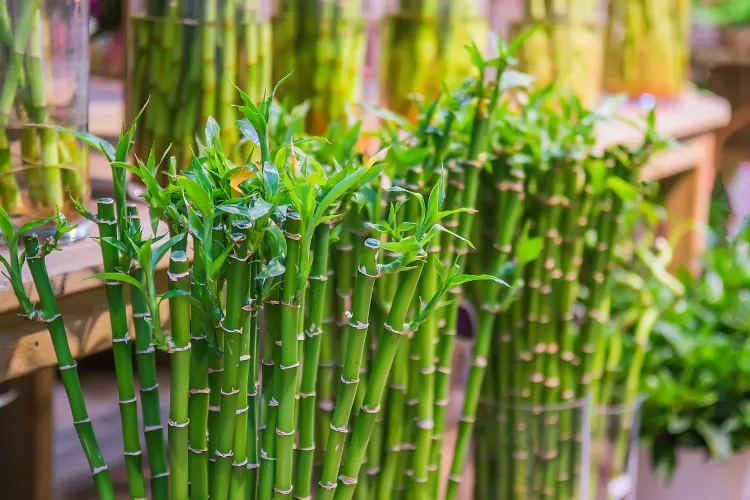
Lucky bamboo is not true bamboo. It lives happily in water or in soil and suits a desk or shelf.
- Light: Low to medium. Direct sun can burn it.
- Water: Keep the roots covered with clean water and refresh it regularly.
- Size and growth: 1 to 3 ft, very slow.
- Pets: Generally considered toxic to cats and dogs.
- Common mistake: Leaving the same water in the container for weeks.
Pet-Friendly Low Light Picks
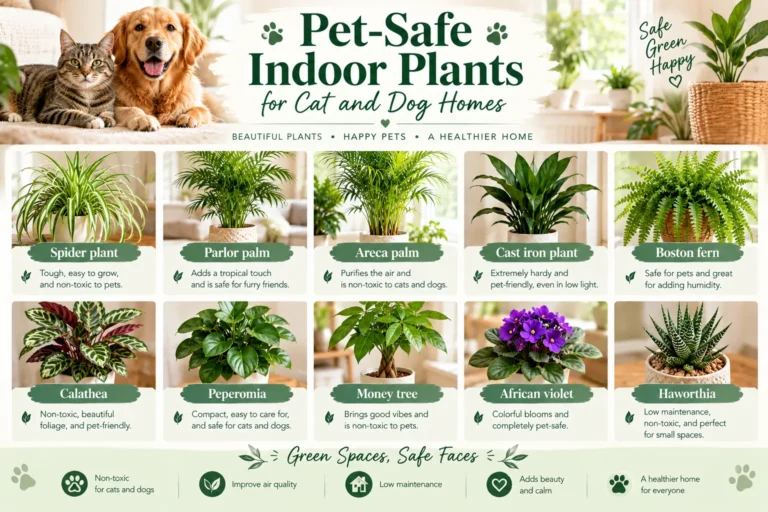
From this list, the plants generally considered non-toxic to cats and dogs are the cast iron plant, parlor palm and spider plant. The rest are generally considered toxic if chewed or swallowed, so place them out of reach or choose a safer alternative if your pet likes to nibble.
For more non-toxic options, see our pet-safe indoor plants guide. Even non-toxic plants can cause an upset stomach if a pet eats a lot of them. If your pet eats a plant and shows symptoms such as vomiting, drooling or unusual tiredness, contact a veterinarian promptly.
How to Care for Low Light Plants
Care is mostly about restraint. Dim rooms slow everything down, so these plants need less of almost everything.
- Water less often. Soil stays damp longer in low light. Plants in dim rooms dry out slowly, so our guide on how to water indoor plants shows how to check the soil before you pour.
- Wipe the leaves. Dust blocks the little light that arrives. A soft, damp cloth every month or so helps.
- Rotate the pot. A quarter turn every week or two keeps growth even instead of leaning toward the window.
- Go easy on fertilizer. Slow growers use few nutrients. A diluted feed a few times in the growing season is plenty, and none in winter.
- Expect slow growth. A new leaf every month or two can be perfectly normal.
- Avoid cold drafts. Chilly air from windows, doors and vents can damage leaves, especially in winter.
Low Light Plants by Room
Bedroom
Low light plants for a bedroom should be calm and low effort. A snake plant, ZZ plant or parlor palm works well on a dresser or the floor, as long as the room gets some daylight. Houseplants will not noticeably improve your sleep, so choose them for looks and enjoyment.
Bathroom With a Small Window
Bathrooms are humid, which suits peace lilies, pothos and Chinese evergreens. The window must still let in daylight, and a frosted pane is fine. A bathroom with no window at all is not suitable for a living plant, though a grow light can change that.
Office or Desk
For a desk, try a small ZZ plant, lucky bamboo or a pothos on a shelf. Office lighting is usually weaker than it feels, and many offices are empty at weekends. A plant near a window will do far better than one in the middle of the room.
Hallway
Hallways are often the dimmest spots in a home. A cast iron plant or ZZ plant is the safest choice, and a plant near a glass front door will cope better than one in an interior corridor.
North-Facing Living Room
A north-facing window in the Northern Hemisphere (or south-facing in the Southern) is a good fit for most plants in this guide. These are the classic houseplants for north facing windows. Place them within a few feet of the glass for the best results.
Rooms With No Windows
Be honest with yourself here. A room with no natural light cannot support a plant long term. Fake plants are an option, or you can use a full-spectrum grow light on a timer, which can keep a plant healthy in an otherwise dark space.
When a Plant Is Not Getting Enough Light
Plants rarely complain loudly, but they do show signs.
- Leggy stretching: Long gaps between leaves as the plant reaches for light.
- Small, pale leaves: New growth comes in smaller or paler than older leaves.
- Leaning: The whole plant bends toward the window.
- Slow or no growth: Some slowing is normal, but months of nothing may mean the spot is too dark.
- Yellowing: This can come from low light, but overwatering is a common cause in dim rooms, so check the soil first.
If you notice these signs, move the plant closer to the window, trim leggy stems and cut back on water. If there is no brighter spot, add a grow light. A simple LED grow bulb in a regular lamp, run for several hours a day, can make a real difference for plants in very dark spaces.
Common Mistakes to Avoid
- Overwatering in dim rooms. This is the most common way people lose low light plants. Check the soil first and wait if it is still damp.
- Placing plants too far from the window. A plant across the room often gets far less light than one near the glass.
- Expecting fast growth. Slow growth is normal here, so do not repot or overfeed to “fix” it.
- Moving plants abruptly. A sudden move from dim to bright can scorch leaves, so shift them gradually.
- Ignoring seasonal light changes. A spot that works in summer may be too dark in winter, so adjust placement as the seasons change.
Frequently Asked Questions
The ZZ plant and snake plant are the most forgiving. Both tolerate dim rooms and irregular watering. Cast iron plants and pothos are also good choices.
Not for long. Plants need light to make food, and ordinary room lighting is rarely enough. A full-spectrum grow light on a timer is the only reliable option.
Water only when the soil has dried to the depth the plant prefers. In dim rooms that may be every two to four weeks for succulent-type plants, and somewhat sooner for others. Always check the soil rather than following a fixed schedule.
Yes, they need some daylight, even if it is soft and indirect. “Low light” means less light, not none. A spot where you can read comfortably during the day is usually a decent starting point.
Not in any way that matters much in a real home. Plants can make a room feel fresher and more pleasant, but ventilation does far more for indoor air quality. Grow them because you enjoy them.
Final Thoughts
Low light indoor plants can turn a dim corner into a calm, green space, as long as you choose the right plant and keep your expectations realistic. Start with one tough plant, test your light with the shadow trick, and water only when the soil needs it.
Your next step is simple. Pick the dimmest spot you want to fill, run the shadow test, and choose a plant from the table above. For more ideas on styling and caring for plants at home, browse the rest of FloraHomely.