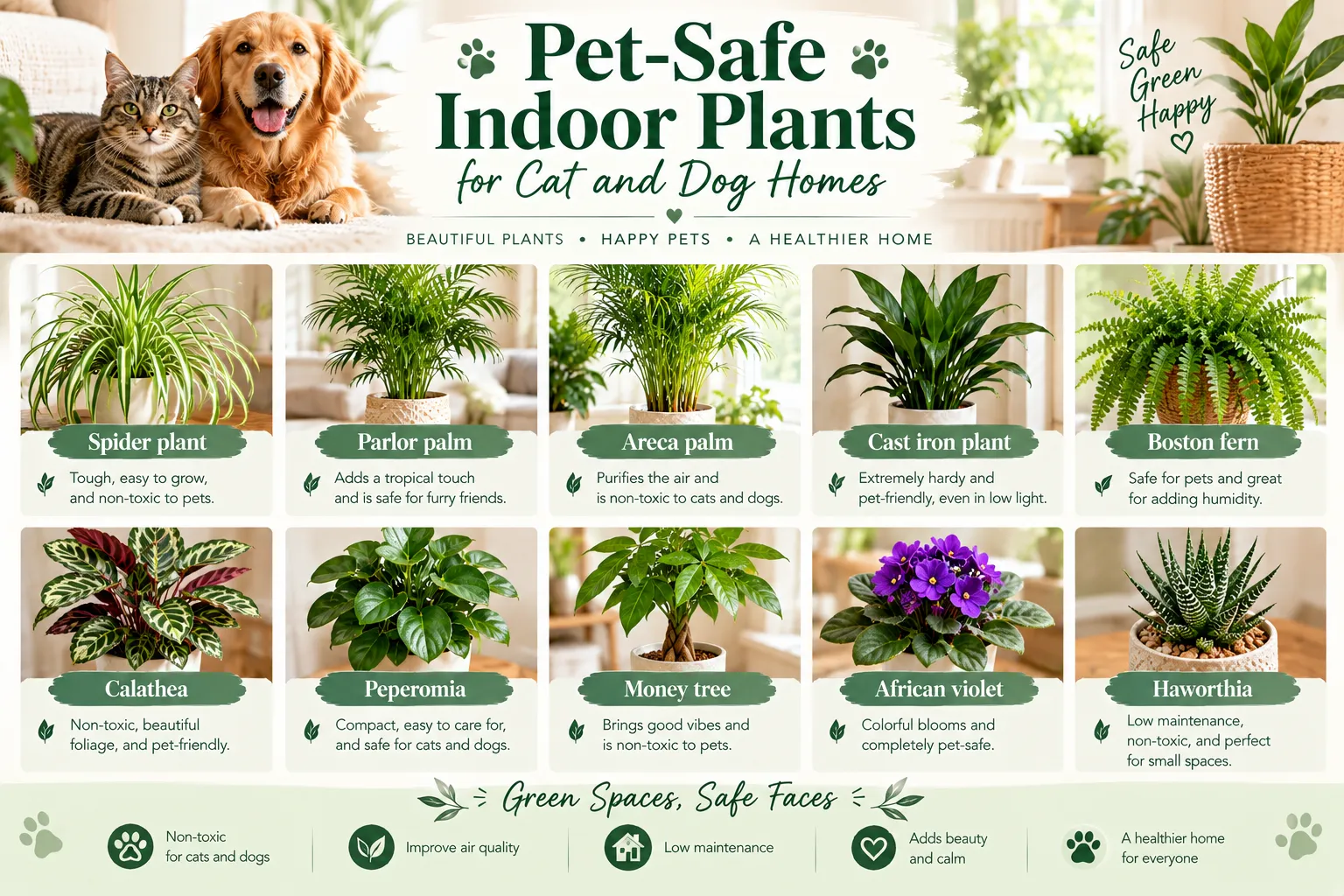

Pet-safe indoor plants do exist, and you have plenty of lovely choices. Spider plants, parlor palms, areca palms, cast iron plants, Boston ferns, calatheas, and peperomias are all generally considered non-toxic to cats and dogs. They suit everything from bright windowsills to dim corners. If you are new to houseplants, our guide to the best indoor plants for beginners explains light and watering basics.
One habit will serve you well: check every plant by its exact name before you buy. Many plants share common names, and a look-alike can be toxic even when its cousin is fine.
Pet-Safe Plants at a Glance
| Plant | Light | Watering | Size | Difficulty | Best for |
|---|---|---|---|---|---|
| Spider plant | Bright to medium, indirect | Top inch or two dry | 30 to 60 cm | Easy | Hanging baskets |
| Parlor palm | Low to medium | Top inch or two dry | 60 to 120 cm | Easy | Low-light rooms |
| Areca palm | Bright, indirect | Top inch dry | 90 to 180 cm | Moderate | Floor statement plant |
| Cast iron plant | Low to medium | Top two inches dry | 60 to 90 cm | Very easy | Dark corners |
| Boston fern | Medium to bright, indirect | Keep lightly moist | 45 to 90 cm | Moderate | Humid bathrooms |
| Calathea | Medium, indirect | Keep lightly moist | 30 to 60 cm | Moderate | Patterned foliage |
| Peperomia | Medium to bright, indirect | Top two inches dry | 15 to 30 cm | Easy | Shelves and desks |
| Money tree | Bright, indirect | Top two inches dry | 60 to 150 cm | Easy | Living room focal point |
| African violet | Bright, indirect | Water at the base when top is dry | 10 to 20 cm | Moderate | Indoor blooms |
| Haworthia | Bright, indirect | Soil fully dry | 8 to 15 cm | Easy | Sunny windowsills |
10 Pet Friendly Houseplants to Consider
Spider Plant
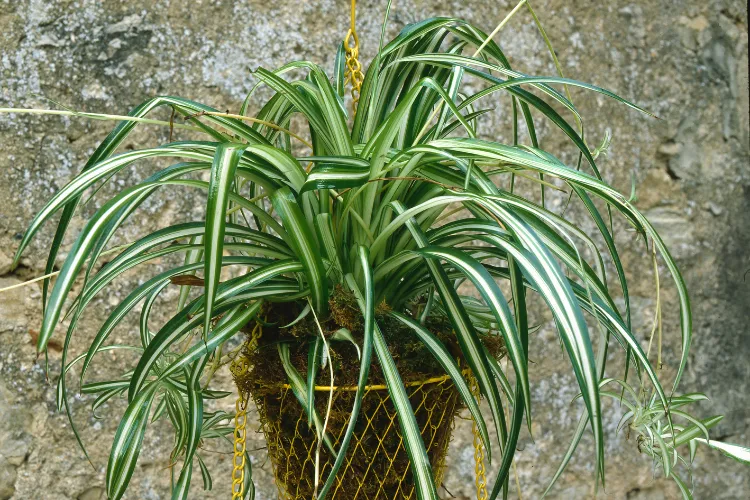
Spider plants are forgiving, fast to grow, and produce little baby plantlets you can pot up and share. Cats often find the dangling leaves irresistible, so hang it high or place it well out of reach.
- Light: Bright to medium, indirect
- Water: When the top inch or two of soil is dry
- Humidity: Average household levels are fine
- Size: Usually 30 to 60 cm
- Mistake to avoid: Leaving it in soggy soil, which leads to root rot
Parlor Palm
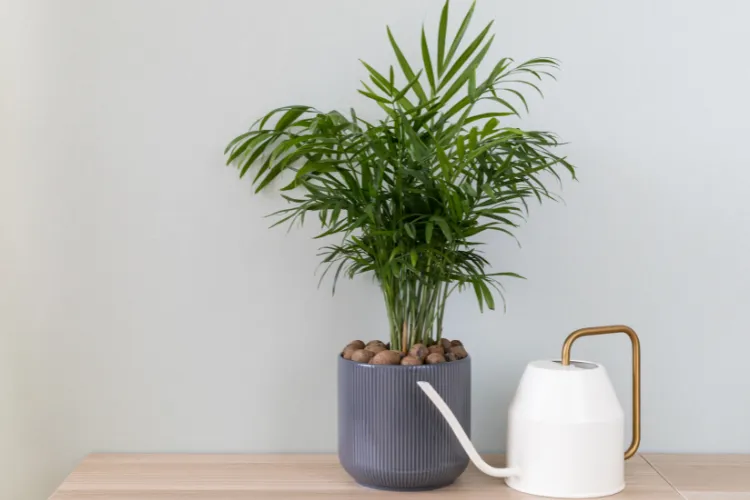
This is a gentle, graceful palm that handles lower light better than most. It is one of the best choices if you want dog safe houseplants that still feel lush.
- Light: Low to medium, indirect
- Water: When the top inch or two of soil is dry
- Humidity: Tolerates average humidity
- Size: Typically 60 to 120 cm indoors
- Mistake to avoid: Placing it in harsh direct sun, which scorches the fronds
Areca Palm
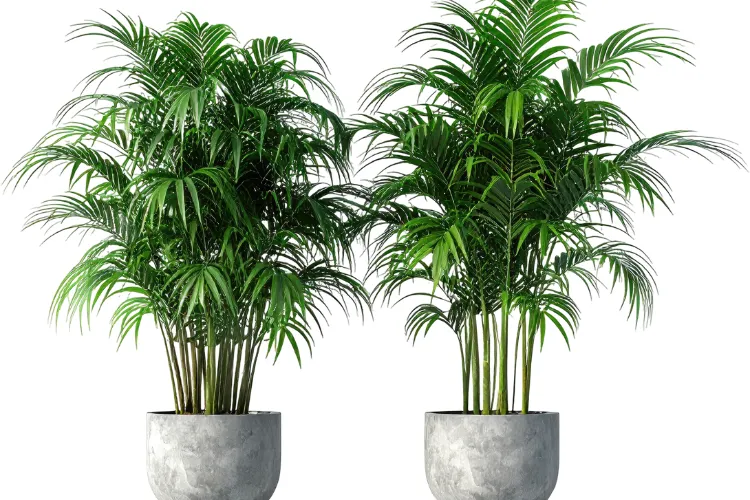
Areca palms bring a bright, tropical look to a living room. They grow tall and arching, so they work well as a floor plant.
- Light: Bright, indirect
- Water: When the top inch of soil is dry
- Humidity: Prefers moderate humidity, so brown tips can appear in dry heated rooms
- Size: Often 90 to 180 cm
- Mistake to avoid: Overwatering in winter, when growth slows
Cast Iron Plant
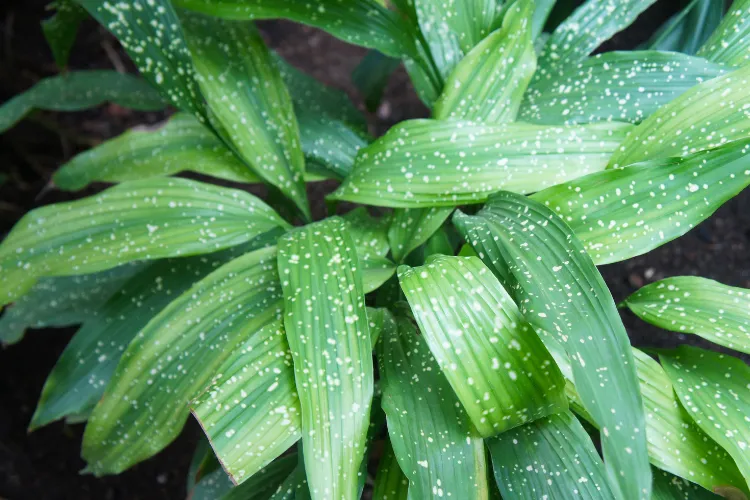
True to its name, this plant shrugs off neglect. It is a top pick if you need pet safe plants for low light, such as a hallway or a north-facing room.
- Light: Low to medium, indirect
- Water: When the top two inches of soil are dry
- Humidity: Handles dry air well
- Size: Around 60 to 90 cm
- Mistake to avoid: Giving it too much water, since it prefers to dry out between drinks
Boston Fern
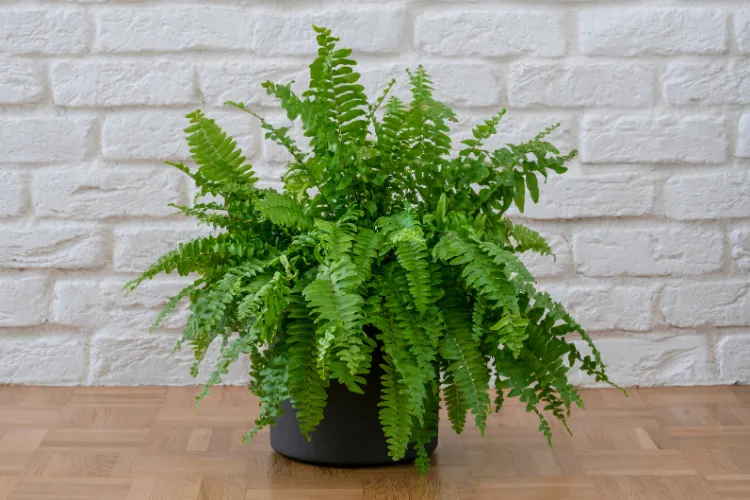
Boston ferns have soft, arching fronds that look wonderful in a hanging planter. They like moisture, which makes a bright bathroom a good home.
- Light: Medium to bright, indirect
- Water: Keep the soil lightly moist but never waterlogged
- Humidity: Prefers higher humidity
- Size: Roughly 45 to 90 cm
- Mistake to avoid: Placing it near a heater or vent, which dries the fronds quickly
Calathea
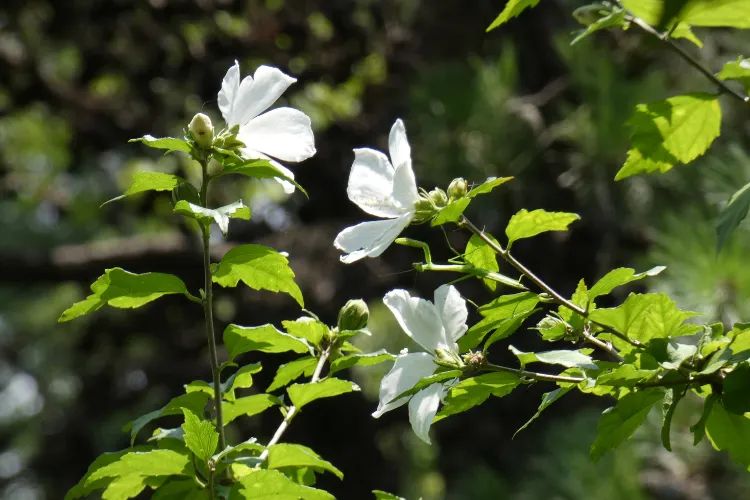
Calatheas are known for striking, patterned leaves that fold up at night. Check the label, because several different plants are sold under similar names.
- Light: Medium, indirect
- Water: Keep the soil lightly moist
- Humidity: Prefers moderate to high humidity
- Size: Usually 30 to 60 cm
- Mistake to avoid: Using very hard tap water, which can leave crispy leaf edges
Peperomia
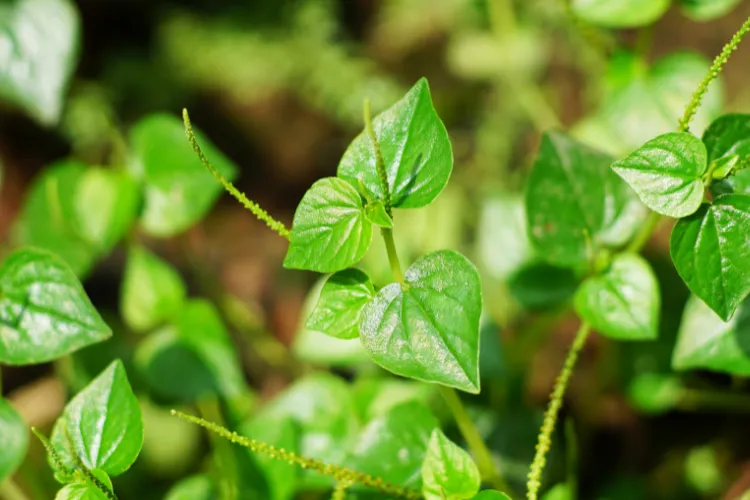
Peperomias come in dozens of shapes, from rippled leaves to round, glossy ones. Their compact size suits shelves, desks, and small pots.
- Light: Medium to bright, indirect
- Water: When the top two inches of soil are dry
- Humidity: Average household humidity
- Size: Typically 15 to 30 cm
- Mistake to avoid: Watering on a fixed routine, since the thick leaves store moisture
Money Tree
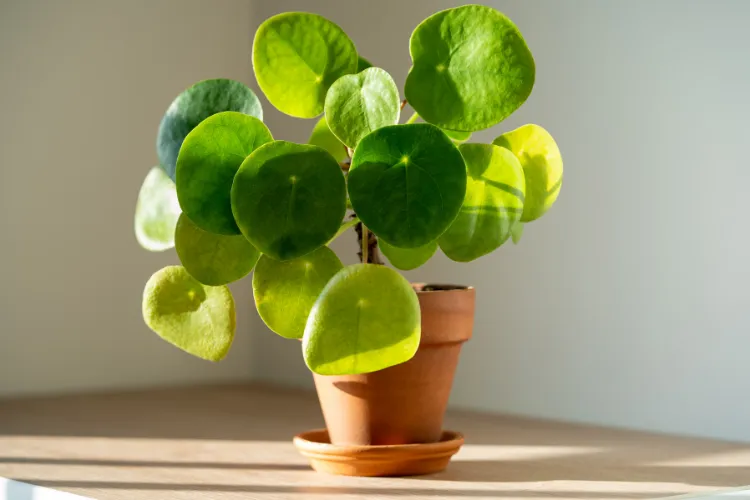
The money tree is popular for its braided trunk and glossy green leaves. It is a lovely focal point for a bright room.
- Light: Bright, indirect
- Water: When the top two inches of soil are dry
- Humidity: Average humidity is fine
- Size: Commonly 60 to 150 cm
- Mistake to avoid: Moving it often, because it can drop leaves after sudden changes
African Violet
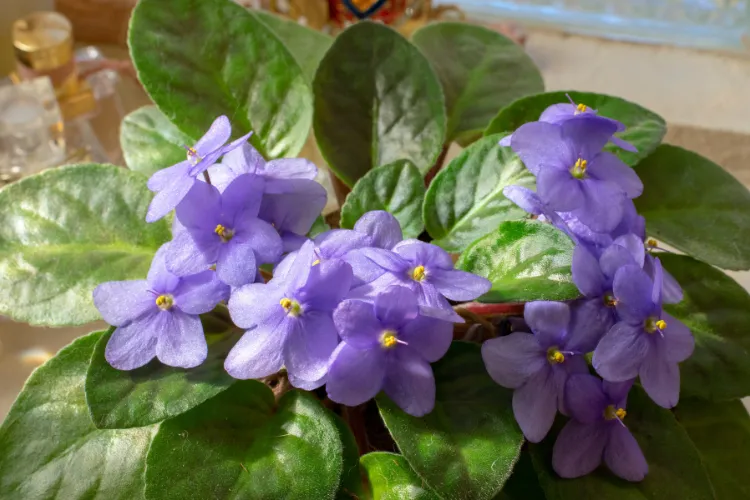
African violets offer small, velvety blooms on a plant that fits a windowsill. They are a charming way to add color without using cut flowers.
- Light: Bright, indirect
- Water: When the top of the soil feels dry, aiming water at the soil rather than the leaves
- Humidity: Moderate humidity is ideal
- Size: About 10 to 20 cm
- Mistake to avoid: Splashing water on the leaves, which can cause spots
Haworthia
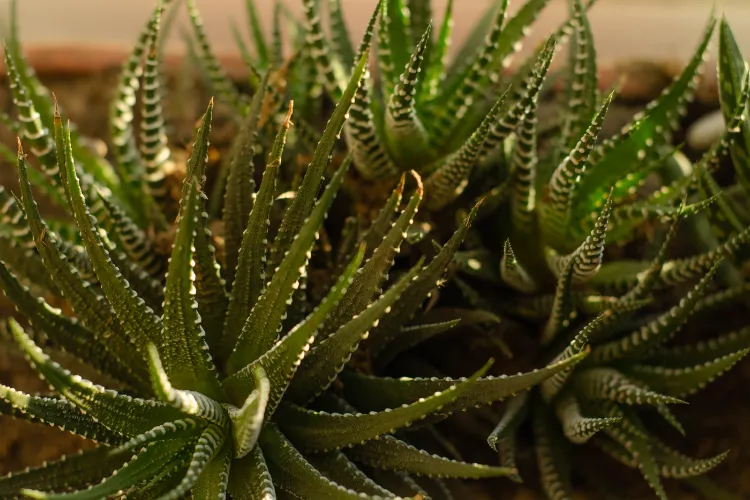
Haworthia is a small succulent with striped, pointed leaves. It is easy to mistake for aloe, which is not pet-safe, so confirm the name on the tag.
- Light: Bright, indirect
- Water: When the soil is completely dry
- Humidity: Tolerates dry air
- Size: Around 8 to 15 cm
- Mistake to avoid: Using dense soil that stays wet, since succulents need fast drainage
Common Houseplants to Avoid If You Have Pets
Some of the most popular houseplants are considered toxic to cats, dogs, or both. This is a short list of the ones to keep away from curious pets.
- Pothos: Contains compounds that can irritate the mouth and stomach.
- Philodendron: Similar irritating compounds, often causing drooling and mouth discomfort.
- Monstera: Can irritate the mouth and digestive tract when chewed.
- Peace lily: Can cause mouth irritation and drooling. It is not a true lily, but still a poor choice around pets.
- Snake plant: Considered mildly toxic and may upset the stomach.
- ZZ plant: Can irritate the mouth and stomach if chewed.
- Jade plant: Considered toxic to pets and can cause vomiting.
- Aloe vera: Can cause stomach upset in cats and dogs.
- Sago palm: Especially dangerous. Every part of it is considered highly toxic.
- True lilies: Especially dangerous for cats. Even small exposures, including pollen or vase water, need urgent veterinary attention.
Bouquets matter too. Our seasonal flowers article includes pet safety notes for popular blooms, which helps when you are choosing arrangements for the house.
How to Keep Pets and Plants Both Happy
A pet-friendly home is about more than plant choice. A few simple habits make a big difference.
- Place plants out of reach. High shelves, plant stands, and hanging planters keep leaves away from cats and dogs.
- Offer a safe alternative. A pot of cat grass gives chewers something of their own, which can reduce interest in your other plants.
- Discourage digging. Pebbles or a decorative layer over the soil can make pots less tempting.
- Check soil and fertilizer products. Some potting mixes and fertilizers contain ingredients that can bother pets. Read labels and store them out of reach.
- Avoid standing water. Empty saucers after watering, since pets may drink from them and wet soil can encourage root rot.
- Watch your home’s conditions. Light, humidity, and heating or air conditioning all change how fast soil dries. A plant near a radiator may need water more often than the same plant in a cool room.
If your home gets limited light, choose plants such as cast iron plant, parlor palm, and ferns. Keep them as close to a window as practical, and water less often, since soil dries slowly in dim spaces.
What to Do If Your Pet Eats a Plant
Stay calm and act quickly. These steps help you give your vet the details they need.
- Remove your pet from the plant and take any leaves or pieces out of their mouth if it is safe to do so.
- Note the plant name and how much was eaten. If you are unsure of the name, check the tag or take a photo.
- Contact your veterinarian or a local animal poison helpline right away. Do this even if your pet seems fine, and do not wait for symptoms to worsen.
- Bring a sample or photo of the plant so the vet can identify it.
Please do not try home remedies or give medication without professional guidance. Your vet will advise what is right for your pet.
Common Mistakes to Avoid
- Trusting the common name alone. Always confirm the botanical name before buying.
- Assuming non-toxic means harmless. Even gentle plants can cause mild stomach upset if a pet chews a lot of leaf.
- Forgetting about cut flowers and bouquets. Lilies in a vase are a serious risk for cats.
- Overwatering. Soggy soil harms plants and attracts pests.
- Ignoring fertilizer and pesticide labels. Store these products away from pets and use them as directed.
- Buying mixed or unlabeled plants. Unlabeled plants make it hard to know what your pet is near.
- Expecting plants to clean your air. Houseplants add beauty and a pleasant atmosphere, but they do not significantly clean indoor air.
Frequently Asked Questions
Spider plants, parlor palms, Boston ferns, calatheas, and peperomias are generally considered non-toxic to cats. These cat safe plants are also easy to find at garden centers. Even so, cats may chew leaves out of curiosity, so keep tempting plants up high.
Some are, and some are not. Haworthia is generally considered non-toxic, while jade plant and aloe vera are considered toxic. Always check the exact name, because many succulents look alike.
Generally non-toxic plants usually cause little trouble, but a lot of chewing can still upset the stomach. Some pets also react to specific plants. If your pet shows symptoms after chewing a plant, contact your veterinarian promptly.
Yes, with realistic expectations. Cast iron plants and parlor palms cope with low light better than most. Growth will be slow, so water less often and keep them near the brightest spot available.
It depends on the flower. Some blooms are fine, while others, such as true lilies, are especially dangerous for cats. Check each variety by name before bringing it home.
Conclusion
You do not have to choose between a green home and a safe one. Start with one or two plants from the list above, place them out of easy reach, and watch how your pet reacts. For more ideas on styling your space, explore the rest of FloraHomely and pick your first pet-safe plant today.